

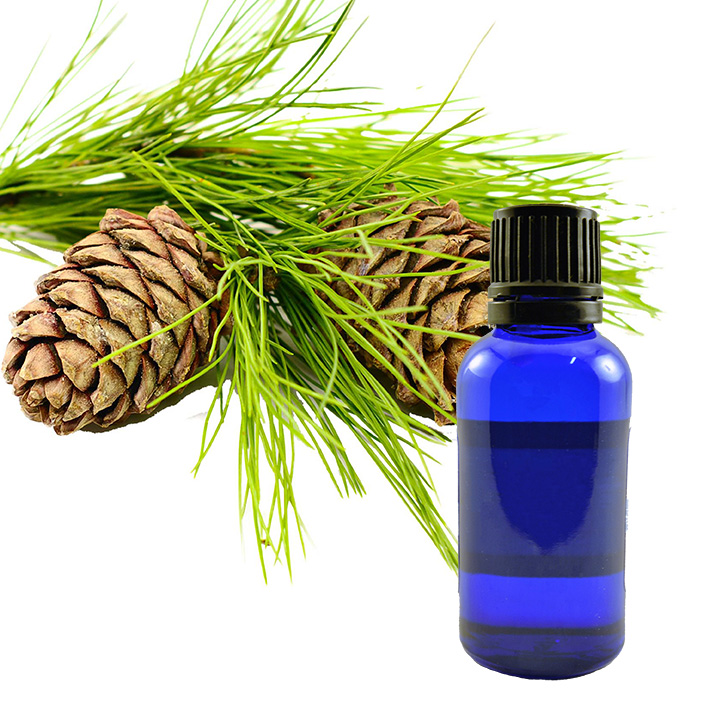
about this product
Cedarwood Essential Oil
Steam-distilled essential oil from various Cedarwood species. Multiple plants are called "cedarwood" essential oil and have somewhat different profiles: Cedrus atlantica (Atlas Cedarwood, from Morocco), Cedrus deodara (Himalayan Cedarwood), Juniperus virginiana (Virginia/Eastern Red Cedarwood - actually a juniper despite the name), and others. All share warm woody grounding aromatic character.
Key Facts
- Common source species
- Cedrus atlantica, Cedrus deodara, Juniperus virginiana
- Extraction
- Steam distillation of wood
- Primary compounds
- Cedrol, cedrene, atlantone (varies by species)
- Aromatic character
- Warm, woody, grounding, slightly balsamic
- Common uses
- Perfumery (base note), diffusion, hair/scalp preparations, traditional moth repellent
- Note on naming
- Virginia Cedarwood is actually a juniper; true Cedrus species are the "true" cedars
Different Cedarwood Species
Several different plants are called "cedarwood" essential oil with different profiles: Atlas Cedarwood (Cedrus atlantica): Native to the Atlas Mountains of Morocco; the most prized for aromatherapy. Himalayan Cedarwood (Cedrus deodara): Native to the western Himalayas; similar character to Atlas Cedarwood. Virginia/Eastern Red Cedarwood (Juniperus virginiana): Despite the name, actually a juniper (not a true cedar); commonly available and affordable. Texas Cedarwood (Juniperus ashei): Another juniper "cedarwood." All share warm grounding woody character but with subtle differences.
How to Use Cedarwood Essential Oil
Perfumery: a classic base note in many natural perfume blends. Diffusion: 3-5 drops in a diffuser; grounding for meditation and evening relaxation. Topical blending: dilute to 1-2% in carrier oil for skin or scalp application. Hair care: scalp massage blends for traditional hair support. Moth repellent: traditional use in clothes storage (cedarwood chests and cedar blocks). Blend with: sandalwood, vetiver, frankincense, lavender, sweet orange.
Safety Information
Generally one of the gentler essential oils. Standard precautions apply: dilute before broad topical use, patch test, keep out of reach of children, don't consume internally without expert guidance.
Frequently Asked Questions
What does Cedarwood smell like?
Warm, woody, grounding, slightly balsamic - the classic "cedar chest" aroma.
Is Virginia Cedarwood really a cedar?
No; despite the common name, Virginia Cedarwood is actually a juniper (Juniperus virginiana). True cedars are the Cedrus genus.
What's the difference between cedarwood species?
All share warm grounding woody character; Atlas Cedarwood is generally considered the most prized for aromatherapy.
Can I use it as a moth repellent?
Yes; cedarwood has traditional use in clothes storage (cedar chests, cedar blocks).
What blends well with Cedarwood?
Sandalwood, vetiver, frankincense, lavender, sweet orange.
Is it safe during pregnancy?
Generally yes in moderate use after the first trimester; consult a healthcare provider.
This product has not been approved by the Food and Drug Administration and is not intended to diagnose, treat, cure, or prevent any disease. We recommend that you consult with a qualified healthcare practitioner before using any herbal products, particularly if you are pregnant, nursing, or on any medications.
accessories
Cedarwood Essential Oil
what buyers say
Reviews
No reviews yet.
Be the first to share your experience with this one.
Write your review
also in accessories
More from this section.


Cedarwood Essential Oil
$16