

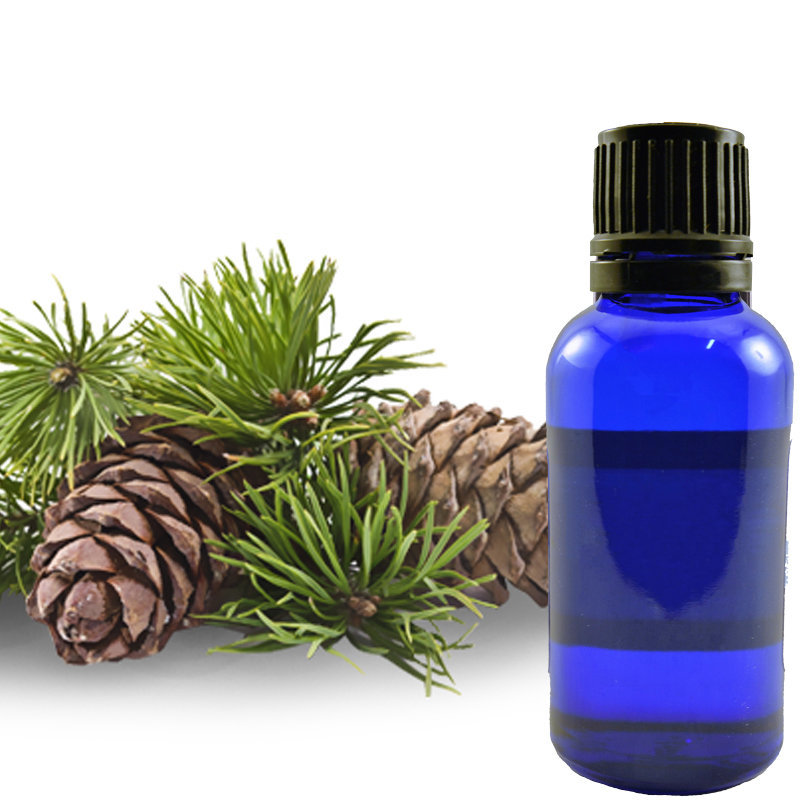
about this product
Pine Essential Oil (Pinus sylvestris)
Steam-distilled essential oil of Pinus sylvestris, Scots Pine. The oil captures the unmistakable forest-fresh aromatic of pine - bright, resinous, slightly camphoraceous. The Scots Pine variant is the most-prized for aromatherapy among pine essential oils, with a cleaner and more balanced character than oils from other pine species.
Key Facts
- Botanical name
- Pinus sylvestris
- Plant part
- Needles
- Extraction
- Steam distillation
- Primary compounds
- Alpha-pinene, beta-pinene, 3-carene, limonene
- Aromatic character
- Fresh, resinous, slightly camphoraceous, forest-like
- Common uses
- Diffusion (especially in winter), respiratory preparations, traditional cleaning
What is Pine Essential Oil?
Scots Pine essential oil is steam-distilled from the needles of the Scots Pine, a tall evergreen native to Europe and northern Asia. The oil has a fresh resinous "Christmas tree" aroma that has made it one of the most universally recognized seasonal aromatics. Beyond seasonal use, pine oil has traditional respiratory aromatherapy use (similar to eucalyptus but with a different aromatic character) and traditional cleaning applications (limonene and pinene are natural solvents).
Important: Oxidation Note
Pine essential oil oxidizes more quickly than most other essential oils due to high terpene content. Oxidized pine oil can cause skin sensitization. Store in a tightly capped dark bottle, refrigerated if possible, and use within 1-2 years of opening. Discard if the aroma becomes noticeably off or sharper than fresh pine.
How to Use Pine Essential Oil
Diffusion: 3-5 drops in a diffuser; classic winter aromatherapy. Steam inhalation: 1-2 drops in hot water for respiratory steam. Cleaning preparations: a few drops added to natural cleaning solutions (the limonene and pinene are natural solvents). Holiday potpourri: a drop on pine cones for seasonal aromatic.
Safety Information
Dilute before topical use (1-2% in carrier oil). Oxidized pine oil can cause skin sensitization. Generally not recommended for use with infants and young children. Avoid in individuals with asthma (pine can be a respiratory irritant for some). Patch test before broad use.
Frequently Asked Questions
What does Pine oil smell like?
Fresh, resinous, slightly camphoraceous - the classic "Christmas tree" aroma.
Why is Scots Pine the preferred species?
Scots Pine produces a cleaner, more balanced aromatherapy oil than other pine species.
Why is oxidation a concern?
Pine oil oxidizes more quickly than most essential oils; oxidized pine oil can cause skin sensitization.
Is it good for cleaning?
Yes; limonene and pinene are natural solvents widely used in natural cleaning preparations.
What blends well with Pine?
Eucalyptus, lemon, rosemary, lavender, cedarwood.
Is it safe during pregnancy?
Generally yes in moderate diffusion; consult a healthcare provider.
This product has not been approved by the Food and Drug Administration and is not intended to diagnose, treat, cure, or prevent any disease. We recommend that you consult with a qualified healthcare practitioner before using any herbal products, particularly if you are pregnant, nursing, or on any medications.
what buyers say
Reviews
No reviews yet.
Be the first to share your experience with this one.
Write your review
also in accessories
More from this section.

Pine Essential Oil
$12