

about this product
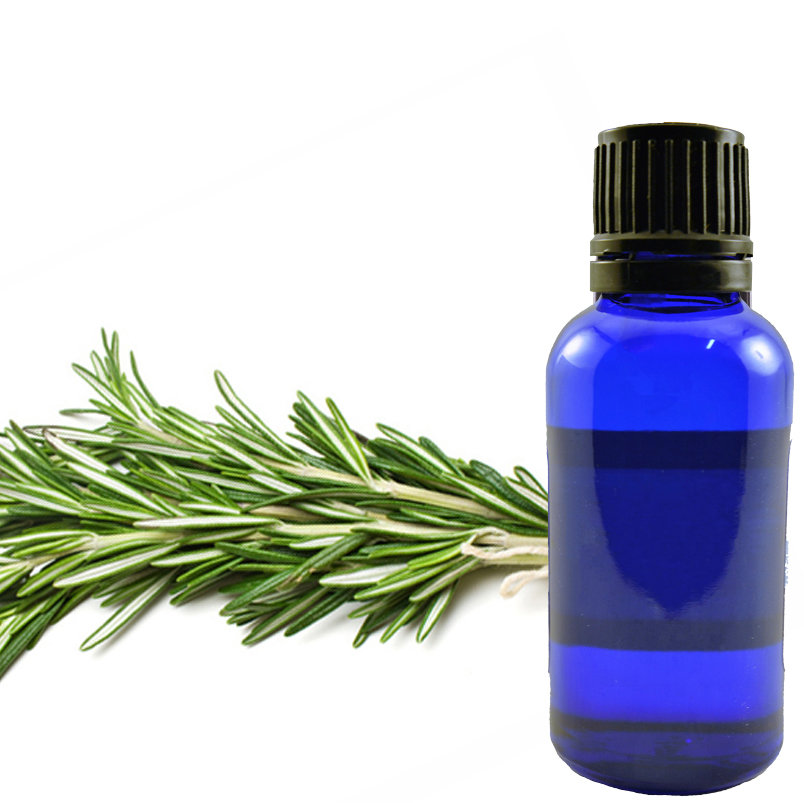
Rosemary Essential Oil (Rosmarinus officinalis)
Steam-distilled essential oil from the leaves of Rosmarinus officinalis, Rosemary. The oil has a distinctive piney, resinous, slightly camphoraceous aroma and is one of the most-used essential oils in hair-care preparations, focus aromatherapy, and topical blends. Several chemotypes exist with different compound profiles - 1,8-cineole chemotype is the most common for general aromatherapy.
Key Facts
- Botanical name
- Rosmarinus officinalis
- Plant part
- Leaves and flowering tops
- Extraction
- Steam distillation
- Primary compounds
- 1,8-cineole, alpha-pinene, camphor (varies by chemotype)
- Aromatic character
- Piney, resinous, herbaceous, slightly camphoraceous
- Chemotypes
- 1,8-cineole (most common); camphor; verbenone
Rosemary Chemotypes
Rosemary essential oil comes in several chemotypes (chemical variants of the same species), each with somewhat different profiles. 1,8-cineole chemotype: The most common general-purpose oil; bright and fresh. Camphor chemotype: Higher camphor content; warming. Verbenone chemotype: More delicate; favored for skin care preparations. For general aromatherapy, the 1,8-cineole chemotype is the standard.
How to Use Rosemary Essential Oil
Diffusion: 3-6 drops in a diffuser; traditional for focus and mental clarity. Hair care: 5-10 drops in 1 oz of carrier oil for scalp massage (traditional for hair support). Topical blending: dilute to 1-2% in carrier oil for skin application. Blend with: peppermint, lavender, eucalyptus, lemon, basil.
Safety Information
Always dilute essential oils before topical application. Not recommended during pregnancy. Not for use with infants or young children. Avoid in individuals with seizure disorders (camphor and 1,8-cineole at high doses have been associated with seizures in sensitive individuals). Avoid in individuals with hypertension (some traditional sources note rosemary may elevate blood pressure).
Frequently Asked Questions
What is Rosemary oil used for?
Hair care (scalp massage for traditional hair support), focus aromatherapy, and topical blending.
What does it smell like?
Piney, resinous, herbaceous, slightly camphoraceous - the classic Mediterranean aroma.
What's a "chemotype"?
A chemical variant of the same species with different compound proportions. Rosemary 1,8-cineole, camphor, and verbenone chemotypes exist.
Can I use it for hair care?
Yes; rosemary essential oil has traditional and modern hair-supporting use. Dilute in carrier oil for scalp massage.
Is it safe during pregnancy?
No; not recommended.
What blends well with Rosemary?
Peppermint, lavender, eucalyptus, lemon, basil - particularly for focus and clarity blends.
This product has not been approved by the Food and Drug Administration and is not intended to diagnose, treat, cure, or prevent any disease. We recommend that you consult with a qualified healthcare practitioner before using any herbal products, particularly if you are pregnant, nursing, or on any medications.
what buyers say
Reviews
No reviews yet.
Be the first to share your experience with this one.
Write your review
also in accessories
More from this section.


Rosemary Essential Oil
$16