

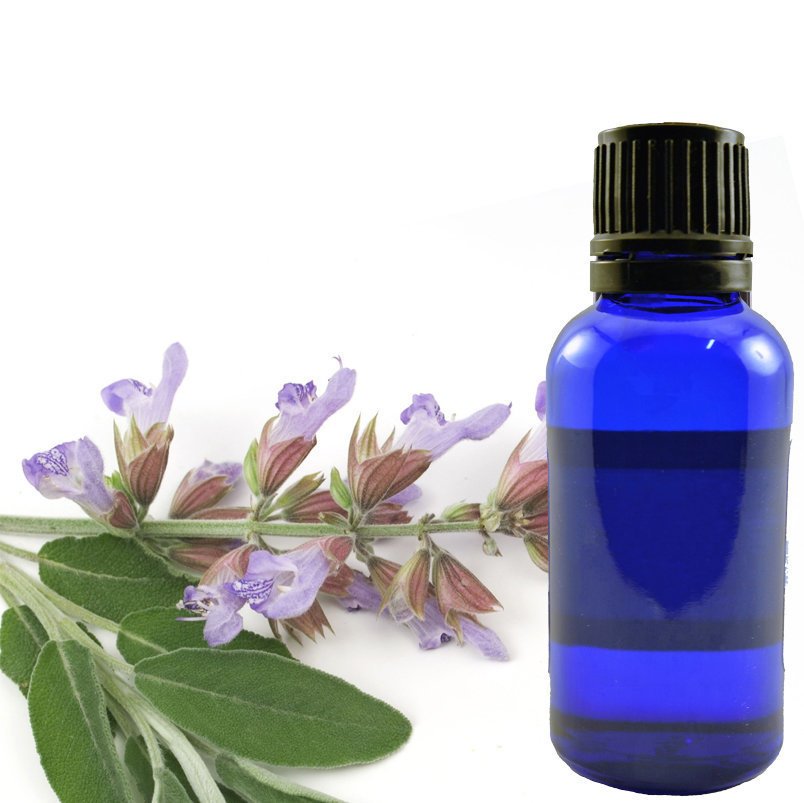
about this product
Dalmatian Sage Essential Oil (Salvia officinalis)
Steam-distilled essential oil of Salvia officinalis, Common Sage, from Dalmatian (Adriatic coast) cultivation. The oil is dominated by alpha-thujone and beta-thujone - the same neurotoxic compounds found in wormwood at much higher levels in this specific essential oil. Dalmatian Sage oil has documented uses but significant safety constraints.
Important Safety Information
Dalmatian Sage oil contains substantial thujone (typically 30-50% of the oil), making it one of the more potentially neurotoxic essential oils. NEVER during pregnancy or breastfeeding - strictly contraindicated. Not for children under 12. Not for individuals with seizure disorders, high blood pressure, or epilepsy. Use only for short periods (typically 1-2 weeks maximum) and at very low dilutions. Spanish Sage (Salvia lavandulifolia) is a much safer alternative for general aromatherapy applications - Spanish Sage has minimal thujone content while still providing the sage aromatic character.
Key Facts
- Botanical name
- Salvia officinalis
- Origin
- Dalmatian coast (Adriatic - Croatia, Bosnia)
- Plant part
- Leaves
- Extraction
- Steam distillation
- Primary compounds
- Alpha-thujone, beta-thujone (typically 30-50% combined), camphor, 1,8-cineole
- Safer alternative
- Spanish Sage (Salvia lavandulifolia) - minimal thujone
- Use category
- Short-term only (1-2 weeks maximum)
Dalmatian Sage vs Spanish Sage Oils
Two different sage species are commonly produced as essential oils with very different safety profiles. Dalmatian Sage (Salvia officinalis): High thujone (30-50%); significant safety concerns; not for pregnancy, children, or extended use. Spanish Sage (Salvia lavandulifolia): Minimal thujone; much safer general-purpose sage oil. For aromatherapy applications where strong constraints aren't needed, Spanish Sage is the preferred choice.
How to Use Dalmatian Sage Essential Oil
Topical (with strict dilution): 0.5% maximum in carrier oil. Diffusion: 1-2 drops in a diffuser. Short-term use only - do not use continuously for more than 1-2 weeks. Most users should consider Spanish Sage instead.
Frequently Asked Questions
Why is Dalmatian Sage problematic?
The high thujone content (30-50%) creates significant neurotoxicity concerns.
Is it safe during pregnancy?
NO - strictly contraindicated.
What's a safer alternative?
Spanish Sage (Salvia lavandulifolia) provides similar aromatic character with minimal thujone.
What is thujone?
A neurotoxic compound also found in wormwood at high concentrations.
Is it safe for children?
Not for children under 12.
How long can I use it?
1-2 weeks maximum; not for continuous long-term use.
This product has not been approved by the Food and Drug Administration and is not intended to diagnose, treat, cure, or prevent any disease. We recommend that you consult with a qualified healthcare practitioner before using any herbal products, particularly if you are pregnant, nursing, or on any medications.
accessories
Sage Essential Oil (Dalmation)
what buyers say
Reviews
No reviews yet.
Be the first to share your experience with this one.
Write your review
also in accessories
More from this section.

Sage Essential Oil (Dalmation)
$20