

about this product
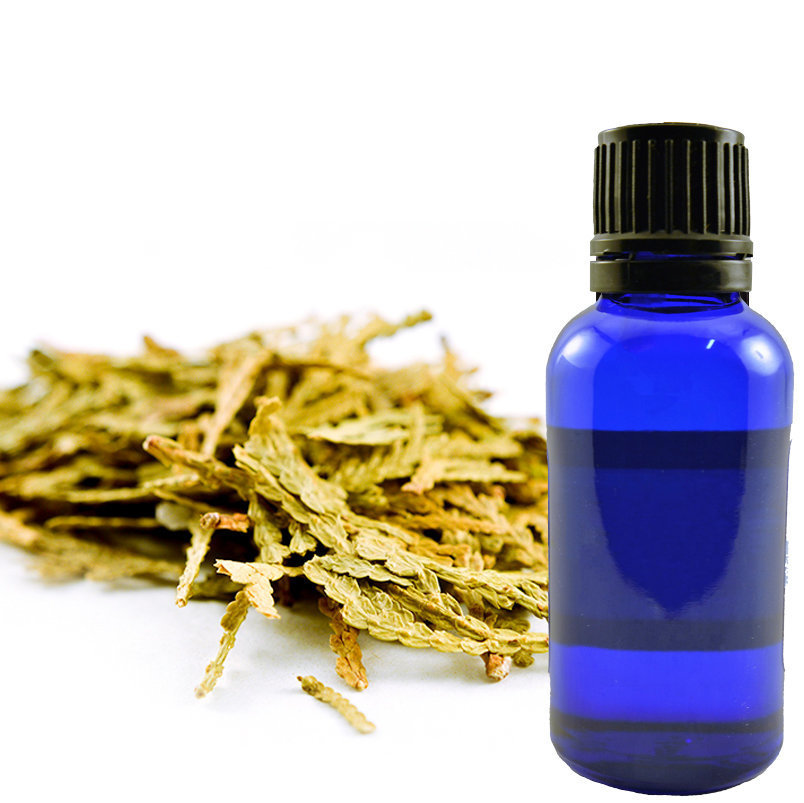
Thuja / Cedar Leaf Essential Oil (Thuja occidentalis) - Hazardous Material
Steam-distilled essential oil of Thuja occidentalis, Northern White Cedar (also called Eastern Arborvitae). This is one of the most thujone-rich essential oils on the market - typically 50-70% thujone content. The oil has documented traditional uses but is among the more potentially toxic essential oils and requires extreme caution.
EXTREME HAZARD - Read Before Use
Thuja essential oil is among the highest-thujone essential oils on the market. Thujone is neurotoxic and can cause seizures, hallucinations, and death at sufficient doses. NEVER ingest. Never use during pregnancy or breastfeeding. Not for children. Not for individuals with seizure disorders. Use external limited applications only, heavily diluted (0.1-0.5% maximum), short-term only. Some users put Thuja oil in essentially no aromatherapy applications due to the safety concerns; it has documented but very limited topical uses.
Important: Cedar Confusion
"Cedar" in essential oil context refers to several completely different plants: Thuja occidentalis (this product): Hazardous high-thujone oil. Cedrus atlantica/deodara: True cedars; gentle warming aromatic. Juniperus virginiana (Virginia Cedarwood): Actually a juniper; gentle warming aromatic. Cryptomeria japonica (Japanese Cedar): Different species again. Most "cedar" aromatherapy applications use the Cedrus or Juniperus species, NOT Thuja. Always verify which "cedar" you have.
Key Facts
- Botanical name
- Thuja occidentalis
- Plant part
- Leaves and twigs
- Extraction
- Steam distillation
- Primary compound
- Thujone (50-70% - among the highest of any essential oil)
- Aromatic character
- Sharp, camphoraceous, herbaceous
- Use category
- External limited use only, heavily diluted, short-term
- NEVER for
- Internal use, pregnancy, children, seizure disorders
About Northern White Cedar
Northern White Cedar (Thuja occidentalis) is a small evergreen tree native to eastern North America. Various traditional uses among Indigenous peoples and in early Eclectic Western herbalism focused on small-amount preparations of the leaves - not the concentrated essential oil. The leaves contain thujone but at much lower concentrations than the steam-distilled essential oil. The essential oil concentrates the thujone to dangerous levels not encountered in traditional preparations.
Frequently Asked Questions
Why is Thuja oil so hazardous?
Extremely high thujone content (50-70%) - among the most concentrated thujone of any essential oil.
Can I use it for skin?
Only heavily diluted (0.1-0.5% maximum) and short-term. Most users avoid Thuja oil entirely.
Is it safe during pregnancy?
NO - strictly contraindicated.
Is this the same as Cedarwood oil?
No; different plants entirely. Most "cedar" aromatherapy uses Cedrus or Juniperus species, NOT Thuja.
What's a safer alternative?
True Cedarwood oils (Cedrus atlantica or deodara) or Virginia Cedarwood (Juniperus virginiana) provide cedar-like aromatic character without thujone concerns.
Did people traditionally use Thuja medicinally?
Yes, in small-amount preparations of the leaves - not the concentrated essential oil. The essential oil represents dangerous concentration of thujone.
This product has not been approved by the Food and Drug Administration and is not intended to diagnose, treat, cure, or prevent any disease. We recommend that you consult with a qualified healthcare practitioner before using any herbal products, particularly if you are pregnant, nursing, or on any medications.
accessories
Thuja Essential Oil (Cedar Leaf)
what buyers say
Reviews
No reviews yet.
Be the first to share your experience with this one.
Write your review
also in accessories
More from this section.

Thuja Essential Oil (Cedar Leaf)
$18