

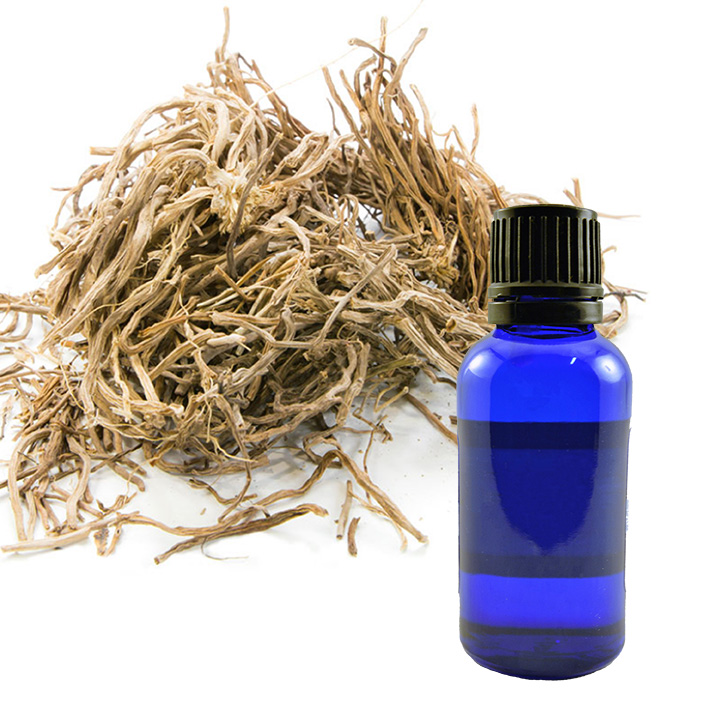
about this product
Vetiver Essential Oil (Chrysopogon zizanioides)
Steam-distilled essential oil from the roots of Chrysopogon zizanioides, Vetiver - the South Indian grass whose dense root system produces one of the most distinctively earthy aromatherapy oils available. Vetiver is widely used in perfumery (an excellent fixative - vetiver "fixes" other lighter aromatics in blends, helping them last longer) and in grounding aromatherapy applications.
Key Facts
- Botanical name
- Chrysopogon zizanioides (formerly Vetiveria zizanioides)
- Plant part
- Roots
- Extraction
- Steam distillation
- Native region
- South India
- Aromatic character
- Deeply earthy, woody, smoky, with subtle sweet notes
- Common uses
- Perfumery (excellent fixative), grounding aromatherapy, stress applications
- Notable property
- One of the gentlest and lowest-toxicity essential oils available
What is Vetiver?
Vetiver is a tall perennial grass native to South India. The plant's dense network of fibrous roots can grow 8-10 feet deep - this remarkable root system makes vetiver an important erosion-control plant globally and provides the source material for the essential oil. The roots are dug, washed, dried, and steam-distilled to produce the deeply earthy oil. The species has been used in Indian Ayurveda for thousands of years (called "khus" in India) and is essential to traditional Indian cooling drinks during hot weather.
How to Use Vetiver Essential Oil
Perfumery: an excellent fixative base note; small amounts in blends help lighter oils last longer. Diffusion: 2-4 drops in a diffuser (the oil is potent and the aroma can become overwhelming in larger amounts). Topical blending: dilute to 1-3% in carrier oil for skin application. Grounding aromatherapy: traditional use for stress, grounding, and sleep support. Blend with: lavender, sandalwood, ylang-ylang, bergamot, jasmine.
Safety Information
Vetiver is one of the gentlest and lowest-toxicity essential oils available. Generally considered safe for most users including during pregnancy. Standard precautions apply: dilute before broad topical use, patch test, keep out of reach of children.
Frequently Asked Questions
What does Vetiver smell like?
Deeply earthy, woody, smoky, with subtle sweet notes - the most "grounding" aromatic profile available.
Why is it called a "fixative"?
Vetiver "fixes" other lighter aromatic compounds in perfume blends, helping them last longer on skin or in diffusion.
Is it safe during pregnancy?
Generally yes; one of the gentlest essential oils available.
What's "khus"?
The Indian name for vetiver; the grass is used in traditional Indian cooling drinks during hot weather.
Why are the roots so deep?
Vetiver's root system can grow 8-10 feet deep - the plant is a major erosion-control crop globally.
What blends well with Vetiver?
Lavender, sandalwood, ylang-ylang, bergamot, jasmine.
This product has not been approved by the Food and Drug Administration and is not intended to diagnose, treat, cure, or prevent any disease. We recommend that you consult with a qualified healthcare practitioner before using any herbal products, particularly if you are pregnant, nursing, or on any medications.
accessories
Vetiver Essential Oil
what buyers say
Reviews
No reviews yet.
Be the first to share your experience with this one.
Write your review
also in accessories
More from this section.


Vetiver Essential Oil
$25