

about this product
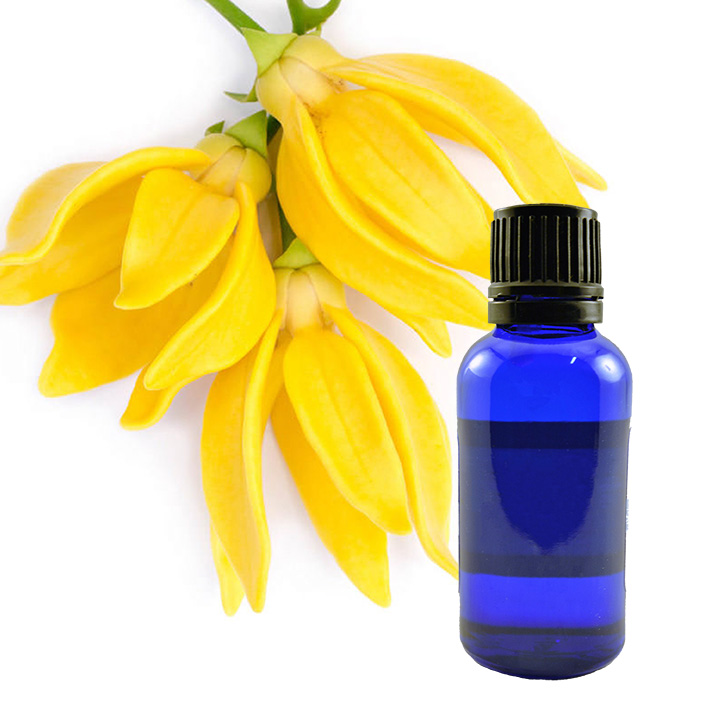
Ylang Ylang Essential Oil (Cananga odorata)
Steam-distilled essential oil from the flowers of Cananga odorata, Ylang Ylang ("Flower of Flowers" in Tagalog). The intensely sweet floral aroma is one of the most prized perfumery notes - Ylang Ylang appears in Chanel No. 5 and countless other classic and modern perfumes. The flowers are native to the Philippines, Indonesia, and surrounding regions, with major commercial production in Madagascar and the Comoros Islands.
Key Facts
- Botanical name
- Cananga odorata
- Plant part
- Flowers
- Extraction
- Steam distillation
- Primary compounds
- Linalool, germacrene D, benzyl benzoate, geranyl acetate
- Aromatic character
- Intensely sweet, floral, exotic, with subtle banana/spice undertones
- Common uses
- Perfumery (classic base/middle note), aromatherapy, skin care
- Grading
- Multiple grades produced (Extra, I, II, III); each captured at different stages of distillation
About Ylang Ylang Grades
Ylang Ylang is unusual among essential oils because multiple grades are produced from the same distillation: the lighter top notes ("Extra" or "I") come off first; later fractions ("II" and "III") are heavier with different aromatic character. Perfumers often combine multiple grades for complete floral character. The "Complete" form combines all fractions; "Extra" is the most prized for fine perfumery.
How to Use Ylang Ylang Essential Oil
Perfumery: a classic floral note; works as both middle and base note. Diffusion: 2-4 drops in a diffuser (use small amounts - the aroma is intensely sweet and can become cloying with overuse). Topical blending: dilute to 1% in carrier oil. Skin care: traditional use for skin care preparations. Blend with: bergamot, lavender, jasmine, sandalwood, vanilla, ginger.
Safety Information
The intense aroma can cause headaches or nausea in sensitive users at higher concentrations - use small amounts. Skin sensitization can develop with repeated use; patch test. Not recommended for use with very young children due to the intense aroma. Generally one of the safer essential oils in proper amounts.
Frequently Asked Questions
What does Ylang Ylang smell like?
Intensely sweet, floral, exotic, with subtle banana and spice undertones.
What does "Ylang Ylang" mean?
"Flower of Flowers" in Tagalog (the Philippines language).
Why are there different grades?
Multiple distillation fractions are captured separately; Extra is the lightest and most prized, while later fractions have different character.
Can it cause headaches?
The intense aroma can cause headaches in sensitive users at higher concentrations. Use small amounts.
What blends well with Ylang Ylang?
Bergamot, lavender, jasmine, sandalwood, vanilla, ginger.
Is it really in Chanel No. 5?
Yes; Ylang Ylang is one of the foundational notes in many classic perfumes including Chanel No. 5.
This product has not been approved by the Food and Drug Administration and is not intended to diagnose, treat, cure, or prevent any disease. We recommend that you consult with a qualified healthcare practitioner before using any herbal products, particularly if you are pregnant, nursing, or on any medications.
accessories
Ylang Ylang Essential Oil
what buyers say
Reviews
No reviews yet.
Be the first to share your experience with this one.
Write your review
also in accessories
More from this section.

Ylang Ylang Essential Oil
$32