Buy Shea Butter Online
about this product
What is Shea Butter?
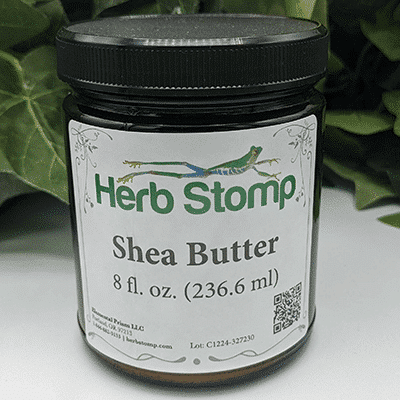
Unrefined shea butter from Vitellaria paradoxa, the shea tree of the West African savanna belt running through Mali, Burkina Faso, Ghana, and neighboring countries, in an 8 oz (236 ml) tub. Unrefined means the butter keeps its natural ivory color and characteristic mild, nutty aroma; refined shea is more neutral but loses part of what makes the raw material distinctive.
About shea
Shea butter is pressed from the nuts of the shea tree, and its traditional processing, roasting, grinding, and kneading the paste by hand, has been a West African craft economy, largely run by women, for centuries. In the home craft world it is one of the foundational butters for balm, salve, and body-butter recipes, often paired with beeswax and jojoba oil.
Related products
- Herbs for Natural Beauty — Gladstar's recipe paperback that puts it to work.
Shea Butter at a glance
- Botanical name
- Vitellaria paradoxa
- Origin
- West African savanna belt
- Grade
- Unrefined
- Aroma
- Mild and nutty
- Size
- 8 oz (236 ml)
Frequently asked questions
What is the difference between refined and unrefined shea butter?
Where does shea butter come from?
Do you ship shea butter to my state?
Buy Shea Butter Online
Orders ship within 24 hours of being placed.
Secure encrypted checkout
What customers say about our shop
4.8 stars across 284 Google reviewsBy far the best products I've ever tried! I've been a loyal customer for years now and refer everyone I can to HerbStomp. Their service is just as amazing as their products! You guys are making the world a better place and changing lives by offering quality, safe alternatives to traditional medicine. I can't thank you…
Every time I've gone into this shop. It's been absolutely flawless absolutely wonderful and absolutely magical and I so greatly appreciate the materials and the customer service. Let this business put forth. I hope they have many a decade in business to come. And I hope that that business sees them happier and more…
I go to the Herb Stomp locations on Belmont and Sandy. The staff there have always been knowledgeable, gracious, and welcoming. I particularly like discovering new products that I would not have ordering my purchases from an online vendor. 5/5 would go again.
also in accessories