
The best-supported ashwagandha benefits are for stress and sleep: several small placebo-controlled trials of root extract found lower stress scores and better sleep after 8 to 10 weeks, and the evidence for testosterone and fertility is thinner. The common side effects are drowsiness and an upset stomach, and the rare but serious ones are liver injury and thyroid changes. Pregnant women and people with thyroid or autoimmune conditions are told to avoid it.1
Below is what each study actually tested, so you can judge it yourself instead of trusting a label.
What is ashwagandha?
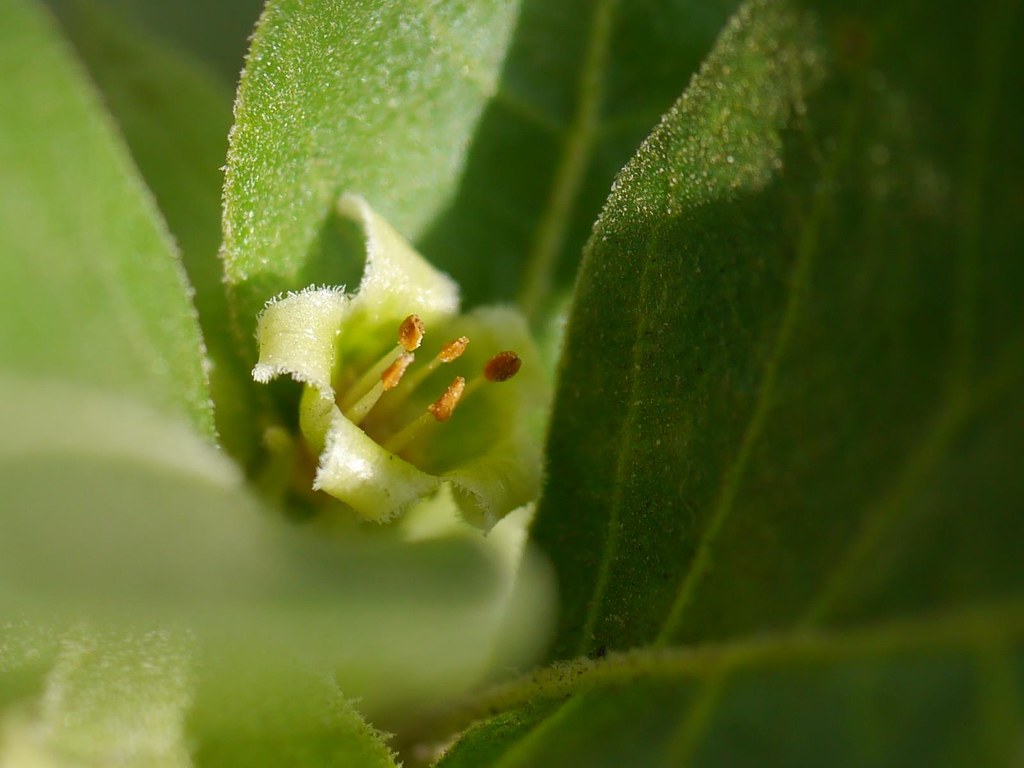
Ashwagandha (Withania somnifera) is an evergreen shrub that grows in parts of India, Africa and the Middle East. It has been used for thousands of years, mostly in Ayurvedic medicine. Supplements are usually made from the root, the leaf, or a mix of root and leaf extracts.1
That last point matters more than most people realize. The trials below mostly used concentrated root extracts in capsules, at measured doses. A spoonful of dried root powder is the same plant, but it is not the same thing that was studied, and nobody has run a trial on it.
Ashwagandha benefits for stress and anxiety
This is where the research is strongest, and it is still modest. The National Center for Complementary and Integrative Health (NCCIH) puts it this way: "some ashwagandha preparations may be effective for insomnia and stress," while the evidence on anxiety is unclear, and many trials are small and use different preparations.1
Three studies come up again and again:
- Chandrasekhar, 2012. 64 adults with a history of chronic stress took 300 mg of root extract or a placebo twice a day for 60 days. The ashwagandha group scored lower on every stress scale used, and their blood cortisol dropped more than the placebo group's. Side effects were mild and about the same in both groups.3
- Salve, 2019. 60 stressed but healthy adults took 125 mg or 300 mg of root extract twice a day (250 or 600 mg total), or a placebo, for eight weeks. Both doses lowered perceived stress scores and cortisol, with the higher dose showing the stronger result, and sleep quality improved compared with placebo.2
- Langade, 2019. 60 people with insomnia took 300 mg of root extract or a placebo twice a day for 10 weeks. On a wrist sleep tracker, the ashwagandha group fell asleep a bit faster (about 29 minutes vs. about 34 for placebo) and spent more of their time in bed actually asleep. Anxiety scores also improved.4
An international psychiatry task force that reviewed herbal products in 2022 gave ashwagandha a "provisionally recommended" rating for anxiety disorders, meaning modest support, and flagged product quality and standardization as a real problem across herbal research.10
Keep the scale in mind. These are single-site trials of 50 to 65 people, several of them testing the same branded extract. They are encouraging, not settled.
How long does ashwagandha take to work for anxiety?
No trial has pinned down a day when it "kicks in." What we can say is how long the studies ran: 60 days in Chandrasekhar, eight weeks in Salve, and 10 weeks in Langade.2, 3, 4 Salve checked stress scores at four weeks and again at eight.2 So if you are hoping to feel something the first afternoon, that is not what these studies measured.
The flip side: NCCIH says ashwagandha may be safe in the short term, up to about three months, and that nobody knows about long-term safety.1 A sensible plan is to give it a couple of months, notice whether anything changed, and not take it indefinitely without a reason.
Do I take ashwagandha in the morning or at night?
There is no study comparing morning to night dosing. Most of the trials above split the dose into two, one in the morning and one in the evening, and the insomnia trial had people take it with milk or water.2, 3, 4
The practical answer comes from the side effects. Drowsiness is one of the most common,1 so if it makes you sleepy, take it in the evening. If it upsets your stomach, take it with food. If neither happens, timing probably matters less than taking it consistently.
Ashwagandha benefits for men: does it increase testosterone?
Possibly a little, in some men. NCCIH describes "limited evidence" that 2 to 4 months of ashwagandha may raise testosterone and improve sperm quality.1
- Lopresti, 2019. 57 overweight men aged 40 to 70 with mild fatigue took an ashwagandha extract or a placebo for eight weeks each, in a crossover design. Ashwagandha was linked to a 14.7% greater rise in salivary testosterone and an 18% greater rise in DHEA-S than placebo. But fatigue, vigor and sexual well-being did not differ between groups.5
- Ambiye, 2013. 46 men with low sperm counts took 675 mg a day of root extract or a placebo for 90 days. Sperm count, semen volume and motility rose sharply in the ashwagandha group, while the placebo group changed little.6
Two small studies are a reason to ask a fertility doctor about it, not a replacement for one. And a hormone effect cuts both ways: because ashwagandha may raise testosterone, NCCIH and Memorial Sloan Kettering both say men with hormone-sensitive prostate cancer should avoid it or talk to their doctor first.1, 9
Ashwagandha benefits for women
The research here is even thinner. The one placebo-controlled trial people cite is Dongre, 2015: 50 healthy women took 300 mg of root extract or a placebo twice a day for eight weeks. The ashwagandha group improved more on a standard female sexual function questionnaire (arousal, lubrication, orgasm and satisfaction), reported less sexual distress, and logged more successful sexual encounters.7 The authors called it a pilot study, and it is one.
The stress and sleep trials above enrolled both men and women, so those findings apply to women too.2, 3 For menopause and female infertility, NCCIH says there is not enough evidence to say either way.1
Ashwagandha side effects
For most people in the trials, side effects were mild. The ones NCCIH lists are drowsiness, stomach upset, diarrhea and vomiting.1 Memorial Sloan Kettering adds nausea and headache, and describes the drowsiness and stomach discomfort as usually temporary.9
The rarer problems are the ones worth knowing about:
- Liver injury. NCCIH: "Although it is rare, there have been a number of cases that link liver injury to ashwagandha supplements."1 In the case reports Memorial Sloan Kettering summarizes, symptoms improved after people stopped taking it.9 Yellowing skin or eyes, dark urine, or unusual fatigue are reasons to stop and see a doctor.
- Thyroid changes. Ashwagandha may raise thyroid hormone levels. In one eight-week trial of 50 adults with mildly underactive thyroids, 600 mg a day moved TSH, T3 and T4 toward normal.8 That sounds helpful until you are someone whose thyroid already runs high, or who takes thyroid medication. Memorial Sloan Kettering lists case reports of thyrotoxicosis (too much thyroid hormone) linked to ashwagandha supplements, which resolved once people stopped.9
Ashwagandha side effects for women
The side effects are the same for women and men, with two additions. Pregnancy: NCCIH says to avoid ashwagandha during pregnancy and not to use it while breastfeeding,1 and Memorial Sloan Kettering notes it may raise the risk of miscarriage at higher doses.9 Thyroid: if you have a thyroid condition or take thyroid medication, the thyroid caution above applies to you, and NCCIH lists thyroid disorders as a reason to avoid ashwagandha.1
Who should avoid ashwagandha
Skip it, or talk to your doctor or pharmacist first, if any of these apply:1, 9
- You are pregnant, trying to get pregnant, or breastfeeding.
- You have a thyroid disorder, or take thyroid hormone medication.
- You have an autoimmune condition, or take immunosuppressants.
- You have liver disease, or have had a reaction to a supplement before.
- You have hormone-sensitive prostate cancer.
- You have surgery coming up.
- You take sedatives, benzodiazepines, anticonvulsants or barbiturates. Ashwagandha can add to the drowsiness.
- You take medicine for diabetes or high blood pressure.
Also keep in mind what a supplement is. The FDA does not approve dietary supplements before they are sold, and the manufacturer is responsible for their safety and labeling.1 Ashwagandha is not a treatment for anxiety disorder, insomnia, infertility or anything else, and it should not replace care you are already getting.
What we carry
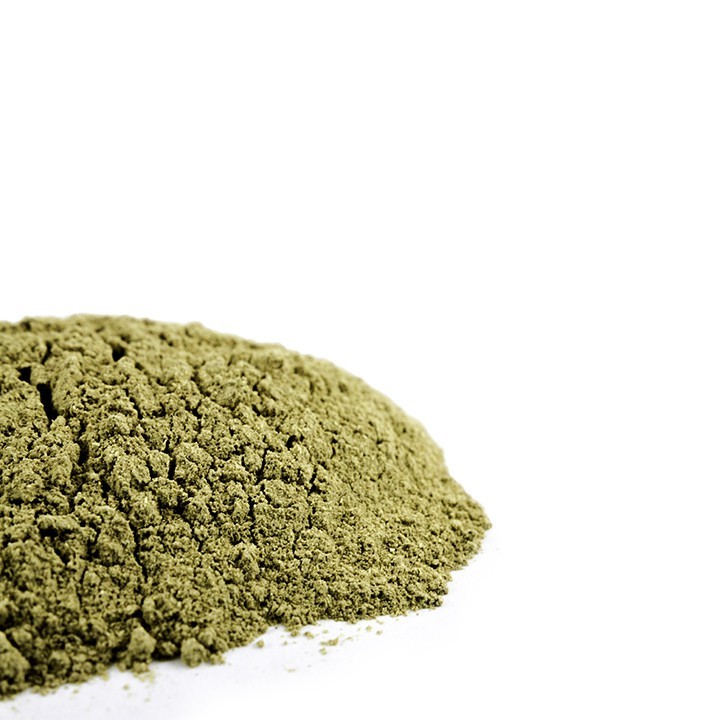
We sell ashwagandha three ways: ashwagandha root powder, a locally grown root powder that is grown and milled in Oregon, and an ashwagandha tincture. These are traditional botanicals, not the standardized capsule extracts used in the trials above, so the study doses do not translate directly.
Sources
- National Center for Complementary and Integrative Health. "Ashwagandha." nccih.nih.gov
- Salve J, Pate S, Debnath K, Langade D. "Adaptogenic and Anxiolytic Effects of Ashwagandha Root Extract in Healthy Adults: A Double-blind, Randomized, Placebo-controlled Clinical Study." Cureus, 2019. PubMed 32021735
- Chandrasekhar K, Kapoor J, Anishetty S. "A prospective, randomized double-blind, placebo-controlled study of safety and efficacy of a high-concentration full-spectrum extract of ashwagandha root in reducing stress and anxiety in adults." Indian Journal of Psychological Medicine, 2012. PubMed 23439798
- Langade D, Kanchi S, Salve J, et al. "Efficacy and Safety of Ashwagandha (Withania somnifera) Root Extract in Insomnia and Anxiety: A Double-blind, Randomized, Placebo-controlled Study." Cureus, 2019. PubMed 31728244
- Lopresti AL, Drummond PD, Smith SJ. "A Randomized, Double-Blind, Placebo-Controlled, Crossover Study Examining the Hormonal and Vitality Effects of Ashwagandha in Aging, Overweight Males." American Journal of Men's Health, 2019. PubMed 30854916
- Ambiye VR, Langade D, Dongre S, et al. "Clinical Evaluation of the Spermatogenic Activity of the Root Extract of Ashwagandha (Withania somnifera) in Oligospermic Males: A Pilot Study." Evidence-Based Complementary and Alternative Medicine, 2013. PubMed 24371462
- Dongre S, Langade D, Bhattacharyya S. "Efficacy and Safety of Ashwagandha (Withania somnifera) Root Extract in Improving Sexual Function in Women: A Pilot Study." BioMed Research International, 2015. PubMed 26504795
- Sharma AK, Basu I, Singh S. "Efficacy and Safety of Ashwagandha Root Extract in Subclinical Hypothyroid Patients: A Double-Blind, Randomized Placebo-Controlled Trial." Journal of Alternative and Complementary Medicine, 2018. PubMed 28829155
- Memorial Sloan Kettering Cancer Center, About Herbs. "Ashwagandha." mskcc.org
- Sarris J, Ravindran A, Yatham LN, et al. "Clinician guidelines for the treatment of psychiatric disorders with nutraceuticals and phytoceuticals: The WFSBP and CANMAT Taskforce." World Journal of Biological Psychiatry, 2022. PubMed 35311615
Header photo: "Withania somnifera (L.) Dunal" by Dinesh Valke, licensed CC BY-SA 2.0. Source.