Buy Citric Acid Online
Third-Party Lab Tested
Independent lab COA available on request
about this product
What is Citric Acid?
Citric Acid is a food-grade weak organic acid, the compound responsible for the characteristic sour taste of citrus fruits. It occurs naturally in citrus, berries, and many other fruits. Commercial citric acid is produced by fermentation of Aspergillus niger on sugar substrates, a process that yields the same molecule found in fruit.
Common uses
The pure powdered form is versatile. In the kitchen it adds tartness to cheese making, candy making, and sour candies. In canning and pickling it acidifies foods for safe processing. It is the classic acid in bath bombs, where it reacts with sodium bicarbonate to produce the signature fizz when wet. Around the house it descales kettles and coffee makers and lifts hard-water and mineral deposits.
Citric Acid: form & sizes
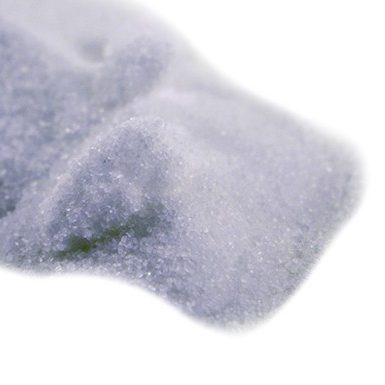
We supply Citric Acid as a fine crystalline powder, sold by weight in sizes from 1 oz to 1 lb. We make no health or therapeutic claims.
Storage
Store Citric Acid in an airtight container away from moisture and humidity, which can cause the powder to clump.
Handling note
Pure citric acid powder is acidic and can irritate the eyes, skin, and mucous membranes. Avoid eye contact and rinse your hands after handling concentrated amounts.
Citric Acid at a glance
- Chemical formula
- C6H8O7
- Natural occurrence
- Citrus fruits, berries, and many other fruits
- Commercial production
- Fermentation of Aspergillus niger on sugar substrates
- Grade
- Food-grade
- Form
- Fine crystalline powder
- Sizes
- 1 oz to 1 lb
Frequently asked questions
What is Citric Acid made from?
What is citric acid used for?
What sizes does Citric Acid come in?
Do you ship Citric Acid to my state?
Buy Citric Acid Online
Select a size
Orders ship within 24 hours of being placed.
Secure encrypted checkout
What customers say about our shop
4.8 stars across 284 Google reviewsGood herb selection; reasonable prices. Lots of loose herbs, tinctures, smudge/incense, pipes. By herbs I mean various medicinal and alchemical herbs - I bought some lemon balm, organic roses, and lemongrass as well and bundles white sage and white pine. Good source for alternative/complimentary smoking herbs as well…
Herb Stomp (Sandy) is BY FAR the best Herb and Kratom store I have ever been to. In my 2.5 years of using Kratom, I have never been to a place as helpful as this! The employees are so so helpful! Usually when buying Kratom, I’m met with grumpy head shop owners who seem to want me to either spend out of my budget, or…
Awesome, knowledgeable staff. Great selection and quality of herbs and ethnobotanicals. I also appreciate that testing is done for contaminants and potency on certain herbs. In 8 years coming here I have yet to purchase anything stale or otherwise questionable quality. We technically *could* ask for more in a local…
also in herbs & spices