Buy Cumin Seed Powder Online
Third-Party Lab Tested
Independent lab COA available on request
about this product
What is Cumin Seed Powder?
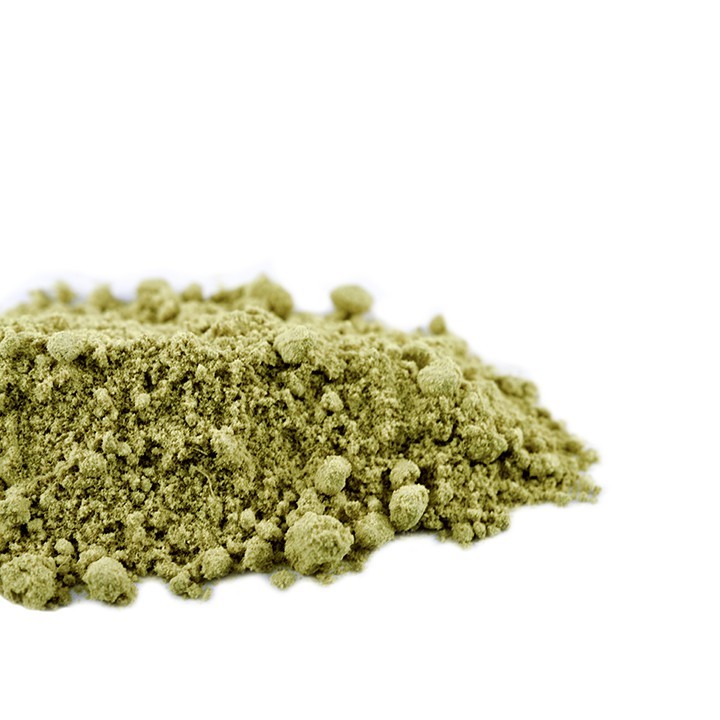
Cumin Seed Powder is the ground seed of Cuminum cyminum, a small annual in the carrot family (Apiaceae). The "seeds" are technically achenes, small single-seeded dry fruits, with a warm, earthy aroma from cuminaldehyde.
About the plant
Cumin is native to the eastern Mediterranean and Southwest Asia and has been cultivated for thousands of years. It is one of the most universally used spices in the world, appearing prominently in Indian cooking (where it is called "jeera"), Mexican chili and taco seasoning, and Middle Eastern and North African blends such as za'atar and ras el hanout. India is the largest producer, followed by Iran, Syria, and Turkey. Whole seeds toasted and ground fresh give the most intense aroma, while the pre-ground powder is convenient for everyday cooking.
Related herbs
- Coriander — another Apiaceae seed spice, a frequent partner to cumin in curry blends.
Cumin Seed Powder: form & sizes
We carry Cumin Seed Powder as ground seed powder, sold by weight in sizes from 1 oz to 1 lb. We make no health or therapeutic claims.
Storage
Store Cumin Seed Powder in an airtight container, away from heat, light, and humidity, to preserve its color and aroma.
Cumin Seed Powder at a glance
- Botanical name
- Cuminum cyminum
- Family
- Apiaceae
- Native region
- the eastern Mediterranean and Southwest Asia
- Plant part
- seeds
- Aromatic compound
- Cuminaldehyde
- Also called
- Jeera (in Indian cooking)
- Form
- ground seed powder
- Sizes
- 1 oz to 1 lb
Frequently asked questions
What is Cumin Seed Powder?
What sizes does Cumin Seed Powder come in?
Do you ship Cumin Seed Powder to my state?
Buy Cumin Seed Powder Online
Select a size
Orders ship within 24 hours of being placed.
Secure encrypted checkout
What customers say about our shop
4.8 stars across 284 Google reviewsGood herb selection; reasonable prices. Lots of loose herbs, tinctures, smudge/incense, pipes. By herbs I mean various medicinal and alchemical herbs - I bought some lemon balm, organic roses, and lemongrass as well and bundles white sage and white pine. Good source for alternative/complimentary smoking herbs as well…
Herb Stomp (Sandy) is BY FAR the best Herb and Kratom store I have ever been to. In my 2.5 years of using Kratom, I have never been to a place as helpful as this! The employees are so so helpful! Usually when buying Kratom, I’m met with grumpy head shop owners who seem to want me to either spend out of my budget, or…
Awesome, knowledgeable staff. Great selection and quality of herbs and ethnobotanicals. I also appreciate that testing is done for contaminants and potency on certain herbs. In 8 years coming here I have yet to purchase anything stale or otherwise questionable quality. We technically *could* ask for more in a local…
also in herbs & spices