Third-Party Lab Tested
Independent lab COA available on request
about this product
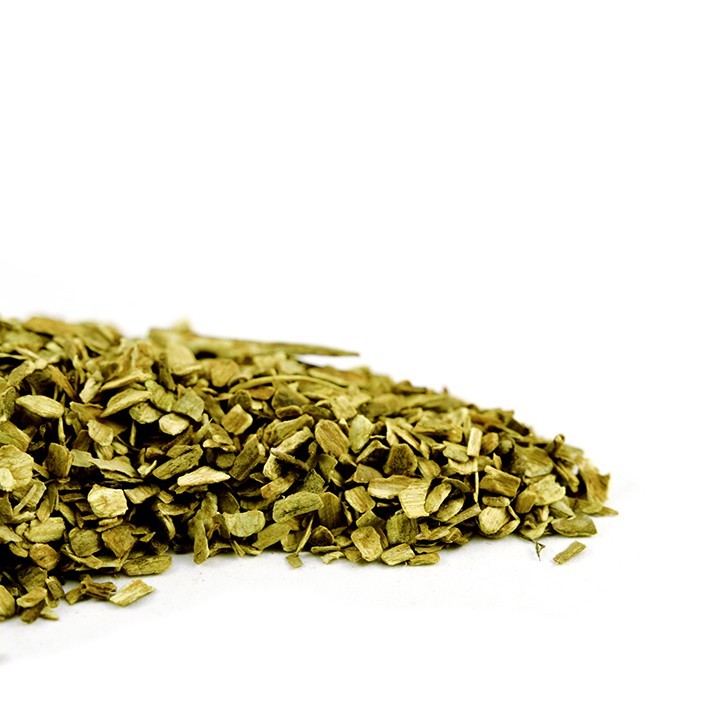
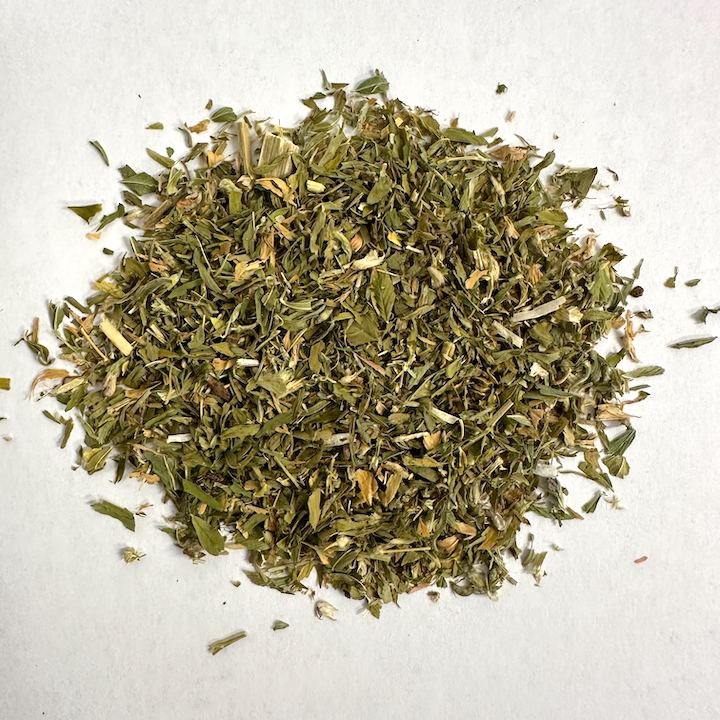
Devil's Club Bark (Oplopanax horridus)
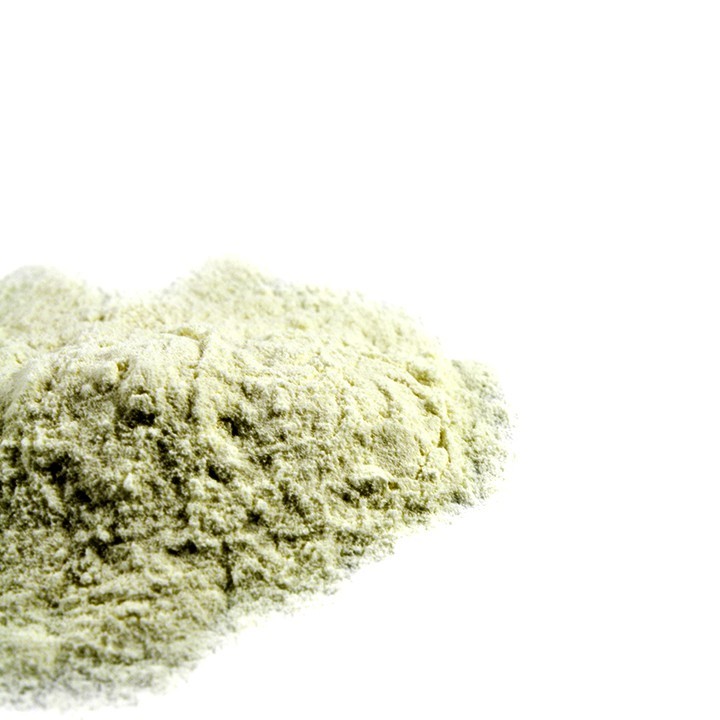
Dried inner bark of Oplopanax horridus, Devil's Club, a tall spiny shrub native to the Pacific Northwest rainforests. Devil's Club is one of the most important traditional medicinal plants of Pacific Northwest Indigenous peoples - including Tlingit, Haida, Tsimshian, and many others. The plant is in the same family as ginseng (Araliaceae) and shares some adaptogenic-tonic properties.
Key Facts
- Botanical name
- Oplopanax horridus
- Family
- Araliaceae (same family as ginseng)
- Common names
- Devil's Club, Alaskan Ginseng (informal), Cukilanarpak (Tlingit)
- Native region
- Pacific Northwest rainforests (Alaska through northern California)
- Studied compounds
- Polyynes, sesquiterpenes, triterpene saponins (similar class to ginsenosides)
- Traditional uses
- Adaptogen, traditional respiratory and blood sugar support, ceremonial use
What is Devil's Club?
Devil's Club is a tall shrub of the Pacific Northwest rainforest, growing in dense thickets in moist understory environments. The plant is famously spiny - virtually every surface is covered with sharp brittle spines that easily break off in skin. Indigenous peoples of the Pacific Northwest used Devil's Club for traditional medicine and ceremonial purposes, with documentation among Tlingit, Haida, Tsimshian, Salish, and many other peoples. The plant is closely related to ginseng and has been called "Alaskan Ginseng" informally for its adaptogenic-tonic reputation.
Sustainable Sourcing Note
Devil's Club grows slowly and is increasingly impacted by Pacific Northwest forest pressures. The plant has deep cultural significance for many Pacific Northwest Indigenous peoples. Sustainable, ethical sourcing is particularly important; we source from sustainable harvesters.
How to Use Devil's Club Bark
Decoction: simmer 1 teaspoon of inner bark in 8 oz water for 15-20 minutes; strain. Tincture: alcohol extracts the triterpene saponins. Traditional use was diverse and varied by peoples.
Frequently Asked Questions
What is Devil's Club used for traditionally?
Across multiple Pacific Northwest Indigenous traditions: adaptogen-tonic, traditional respiratory support, blood sugar support, and ceremonial use.
Why "Devil's Club"?
The plant is covered with sharp brittle spines that easily break off in skin. The name reflects the formidable defenses.
Is it related to ginseng?
Yes; same family (Araliaceae) and overlapping adaptogenic-tonic properties. The informal name "Alaskan Ginseng" reflects this.
Is Devil's Club sustainable?
The plant grows slowly and has deep cultural significance; sustainable ethical sourcing is critical. We source from sustainable harvesters.
Which Indigenous peoples used Devil's Club?
Tlingit, Haida, Tsimshian, Salish, and many other Pacific Northwest peoples have documented traditional use.
Is it spiny when dried?
The spines are primarily on the outer bark and stems; the inner bark (the medicinal part) is processed to remove spine material.
This product has not been approved by the Food and Drug Administration and is not intended to diagnose, treat, cure, or prevent any disease. We recommend that you consult with a qualified healthcare practitioner before using any herbal products, particularly if you are pregnant, nursing, or on any medications.
herbs & spices
Devil's Club
size
what buyers say
Reviews
No reviews yet.
Be the first to share your experience with this one.
Write your review
also in herbs & spices
More from this section.


Devil's Club
$15–$115