
Third-Party Lab Tested
Independent lab COA available on request
about this product
Eyebright Herb (Euphrasia officinalis)
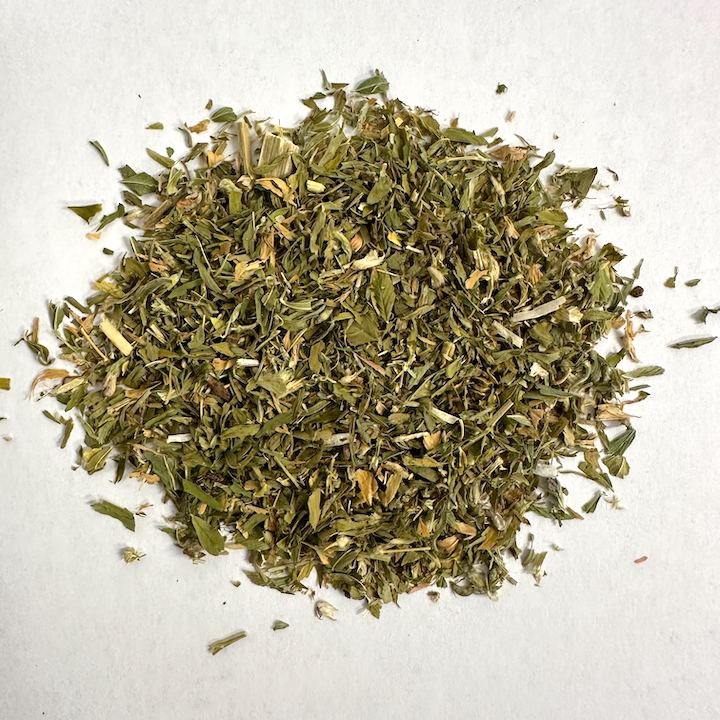
Dried aerial parts of Euphrasia officinalis, Eyebright, the small European meadow herb that has been used in folk medicine across European traditions for centuries. The common English name and Latin name ("Euphrasia" - from Greek "Euphrosyne," one of the Three Graces meaning "gladness") both reflect the herb's long folk reputation in eye-related applications.
Key Facts
- Botanical name
- Euphrasia officinalis
- Family
- Orobanchaceae
- Common names
- Eyebright, Augentrost (German, meaning "eye consolation")
- Native region
- European meadows and pastures
- Traditional uses
- Internal: traditional eye-support tea; external folk uses; seasonal allergy support
- Plant note
- Eyebright is a hemiparasitic plant - partially obtains nutrients from neighboring plants' roots
What is Eyebright?
Eyebright is a small herbaceous plant with distinctive black-spotted white flowers - the spots traditionally interpreted as resembling a bloodshot eye, contributing to the folk-medicine "doctrine of signatures" association with eye support. The plant is hemiparasitic - its roots attach to those of neighboring grasses to partially obtain nutrients. Traditional European use spans centuries; modern Western herbal use focuses on internal tea preparations for traditional seasonal allergy support and general eye-support reputation.
Important Safety Note on Eye Use
Traditional folk-medicine uses included applying eyebright tea directly to the eyes as a wash. Modern herbalists and medical practitioners generally advise against this - the risk of bacterial contamination of any plant preparation makes direct eye application potentially harmful (eye infections from contaminated preparations are a documented risk). Modern use focuses on internal tea or capsule preparation rather than external eye application.
How to Use Eyebright
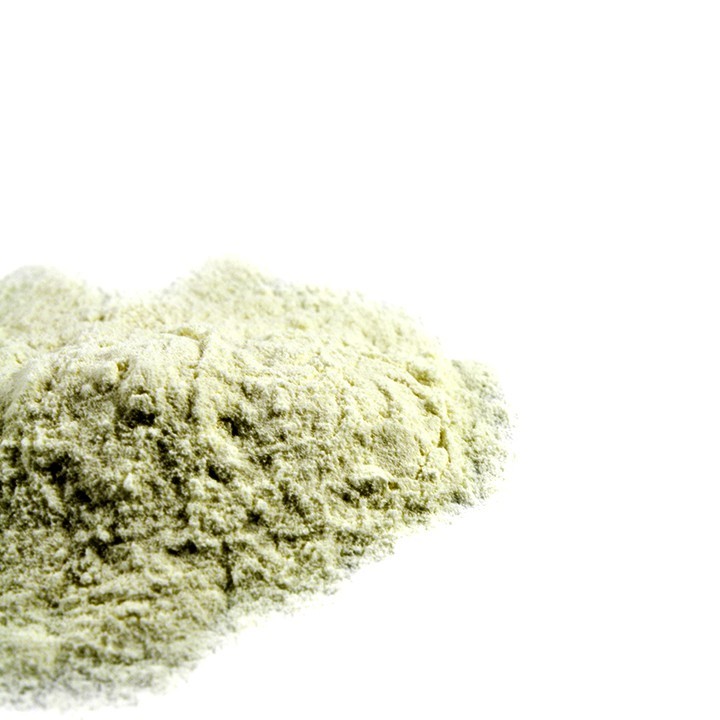
Tea: steep 1-2 teaspoons of dried herb per 8 oz cup in hot water for 10 minutes; strain. The flavor is mild. Capsules: encapsulated for measured dosing; common use is 1-2 capsules daily. Combines well with: nettles, elderflower in traditional seasonal allergy support formulas.
Frequently Asked Questions
What is Eyebright used for?
Traditional folk reputation in eye-support applications; modern use focuses on internal tea preparations for traditional seasonal allergy and eye-support uses.
Can I put eyebright tea directly in my eyes?
Modern herbalists generally advise against this due to bacterial contamination risk. Modern use is internal rather than external.
Why is it called "Eyebright"?
The folk-medicine "doctrine of signatures" associated the herb's small distinctively-marked flowers with eye support.
What's a "hemiparasite"?
A plant that partially obtains nutrients from another plant (via root connections) while also photosynthesizing on its own. Eyebright's roots attach to those of grasses.
Does modern research support traditional uses?
Limited modern research; the herb is more in the "traditional folk use" category than the "modern clinical research" category.
Is it safe for daily use?
Generally well-tolerated as a daily herb in standard preparations.
This product has not been approved by the Food and Drug Administration and is not intended to diagnose, treat, cure, or prevent any disease. We recommend that you consult with a qualified healthcare practitioner before using any herbal products, particularly if you are pregnant, nursing, or on any medications.
herbs & spices
Eyebright Herb
size
Currently out of stock. Ask us when this is restocking.
what buyers say
Reviews
No reviews yet.
Be the first to share your experience with this one.
Write your review
also in herbs & spices
More from this section.


Eyebright Herb
$3–$24