Buy Lady's Mantle Online
Third-Party Lab Tested
Independent lab COA available on request
about this product
What is Lady's Mantle?
Lady's Mantle is the dried aerial parts of Alchemilla vulgaris, a small perennial herb in the rose family (Rosaceae) native to the cool mountain meadows and subarctic regions of Europe and Asia.
About the plant
The plant's distinctive pleated, cup-shaped leaves collect dewdrops in near-spherical pools in the early morning. The genus name Alchemilla, meaning "little alchemist," comes from medieval alchemists who prized that dew; the English name reflects a medieval association of the leaf shape with the cloak of the Virgin Mary. The herb is high in tannins and has a long documented place in European folk herbalism.
Lady's Mantle: form & sizes
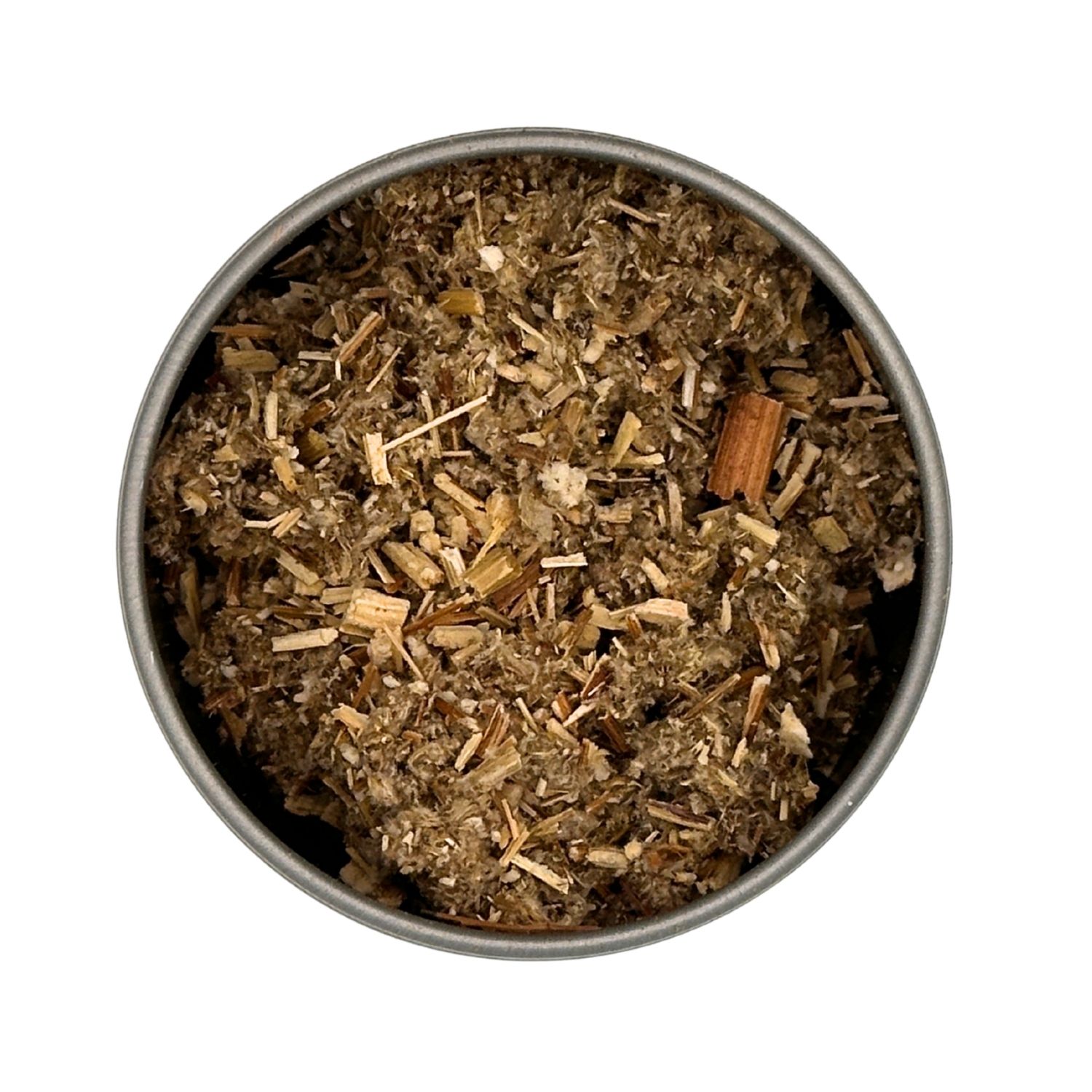
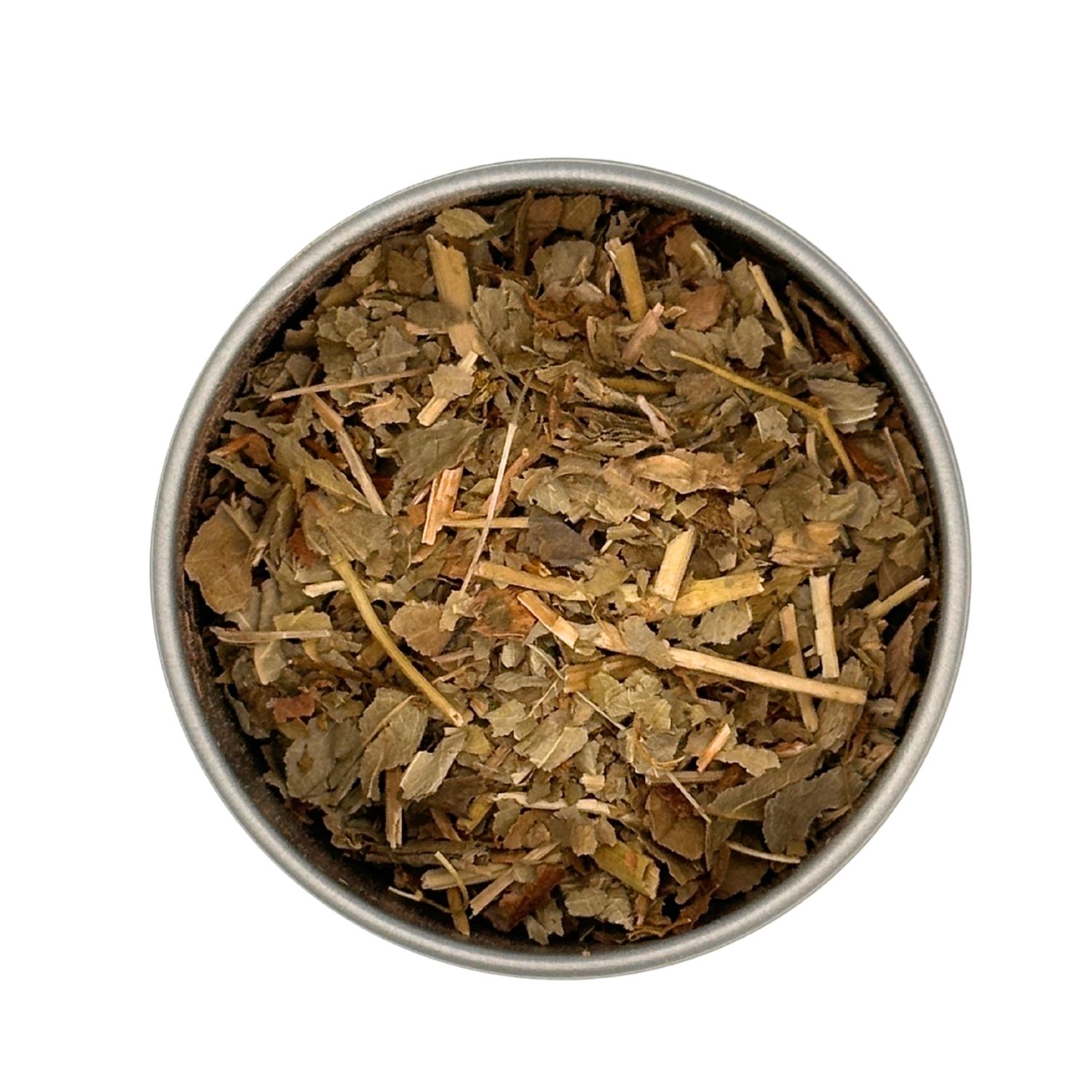
We carry Lady's Mantle as cut and sifted dried aerial parts, sold by weight in sizes from 1 oz to 1 lb. We make no health or therapeutic claims.
Storage
Store Lady's Mantle in an airtight container, away from heat, light, and humidity, to preserve its color and aroma.
Lady's Mantle at a glance
- Botanical name
- Alchemilla vulgaris
- Family
- Rosaceae
- Native region
- the mountain meadows of Europe and Asia
- Plant part
- aerial parts
- Also known as
- Lady's Mantle, Little Alchemist, Bear's Foot
- Sourcing
- Wildcrafted
- Form
- cut and sifted dried aerial parts
- Sizes
- 1 oz to 1 lb
Frequently asked questions
What is Lady's Mantle?
What sizes does Lady's Mantle come in?
Do you ship Lady's Mantle to my state?
Buy Lady's Mantle Online
Select a size
Orders ship within 24 hours of being placed.
Secure encrypted checkout
What customers say about our shop
4.8 stars across 284 Google reviewsGood herb selection; reasonable prices. Lots of loose herbs, tinctures, smudge/incense, pipes. By herbs I mean various medicinal and alchemical herbs - I bought some lemon balm, organic roses, and lemongrass as well and bundles white sage and white pine. Good source for alternative/complimentary smoking herbs as well…
Herb Stomp (Sandy) is BY FAR the best Herb and Kratom store I have ever been to. In my 2.5 years of using Kratom, I have never been to a place as helpful as this! The employees are so so helpful! Usually when buying Kratom, I’m met with grumpy head shop owners who seem to want me to either spend out of my budget, or…
Awesome, knowledgeable staff. Great selection and quality of herbs and ethnobotanicals. I also appreciate that testing is done for contaminants and potency on certain herbs. In 8 years coming here I have yet to purchase anything stale or otherwise questionable quality. We technically *could* ask for more in a local…
also in herbs & spices