
Third-Party Lab Tested
Independent lab COA available on request
about this product
Mandrake Root (Mandragora officinarum) - Decorative/Ceremonial Only
Dried root of Mandragora officinarum, European Mandrake - the legendary plant of European folklore whose distinctive forked roots have been the subject of myths, religious symbolism, and ceremonial use across European traditions for thousands of years. This product is offered with significant safety warnings - Mandrake contains potentially deadly tropane alkaloids and is NOT for internal consumption.
EXTREME HAZARD - Read Before Use
Mandrake contains substantial tropane alkaloids - atropine, scopolamine, and hyoscyamine - the same potentially fatal alkaloids found in deadly nightshade (Atropa belladonna) and other dangerous Solanaceae plants. NEVER ingest mandrake root in any form. Never prepare tea or tincture for consumption. Even small amounts can cause serious toxicity including hallucinations, respiratory depression, coma, and death. Keep out of reach of children and pets - both have died from mandrake ingestion. This product is offered for decorative display, ceremonial use, and ethnographic/folkloric interest only.
Key Facts
- Botanical name
- Mandragora officinarum
- Family
- Solanaceae (nightshade family - same as deadly nightshade)
- Toxic compounds
- Tropane alkaloids - atropine, scopolamine, hyoscyamine
- Native region
- Mediterranean basin
- Use category
- Decorative/ceremonial only - NOT for internal use
- Folklore significance
- One of the most prominently featured plants in European folklore and mythology
About Mandrake in Folklore
Mandrake has been a fixture of European folklore for over 2,000 years. The plant's distinctive forked roots - which sometimes resemble a small humanoid figure - gave rise to extensive folk beliefs: that the plant screamed when pulled from the ground (and the scream would kill anyone who heard it); that dogs were used to pull the root (so the human harvester wouldn't hear the scream); that the root was used in love potions, fertility preparations, and magical ceremonies. The plant features in the Bible (in Genesis 30:14-16), in Shakespeare, in Harry Potter, and in countless other literary and cultural references.
Modern Use Context
Today mandrake root is occasionally used as a decorative or ceremonial item, in altars and folk-magic traditions, and for ethnographic/folkloric interest. The plant has no place in modern herbal medicine; the potentially fatal toxicity makes it inappropriate for ingestion in any form or amount.
Frequently Asked Questions
Why is Mandrake so dangerous?
Substantial tropane alkaloid content - the same fatal alkaloids found in deadly nightshade.
Has it killed people?
Yes; historical and modern poisoning cases have been documented. Children and pets are particularly at risk.
Did people really use it medicinally?
Historical use existed (including as a primitive anesthetic in ancient Rome), but the safety margin was extremely narrow and many users died. Modern medicine has dramatically safer alternatives.
Did mandrake really scream when pulled?
This is folklore, not biology. The legend likely arose from the plant's unusual appearance and its dangerous toxicity.
What is Mandrake used for today?
Decorative display, ceremonial use, and ethnographic/folkloric interest only. NOT for any form of internal use.
Are there safer alternatives for any traditional uses?
For most traditional uses (sleep, calming, pain), much safer modern alternatives exist.
This product has not been approved by the Food and Drug Administration and is not intended to diagnose, treat, cure, or prevent any disease. We recommend that you consult with a qualified healthcare practitioner before using any herbal products, particularly if you are pregnant, nursing, or on any medications.
herbs & spices
Mandrake Root
size
Currently out of stock. Ask us when this is restocking.
what buyers say
Reviews
No reviews yet.
Be the first to share your experience with this one.
Write your review
also in herbs & spices
More from this section.
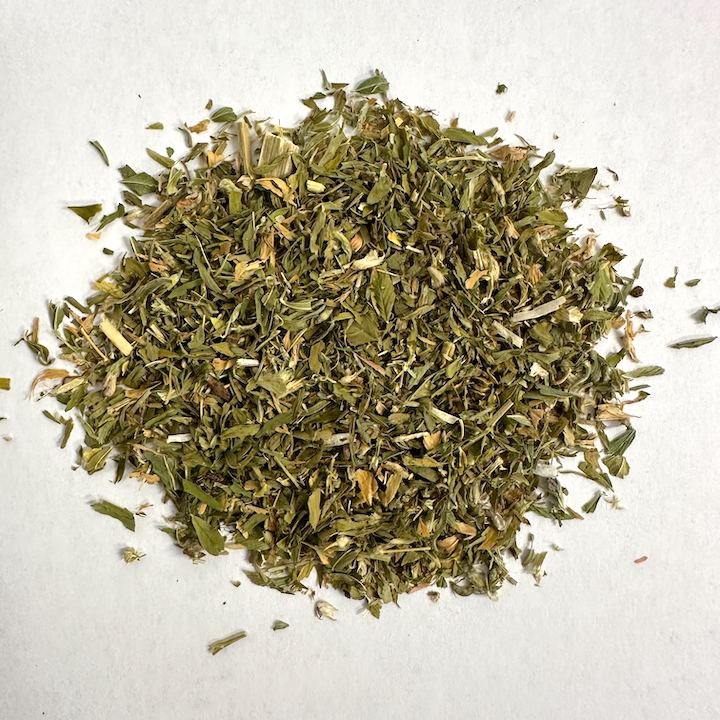

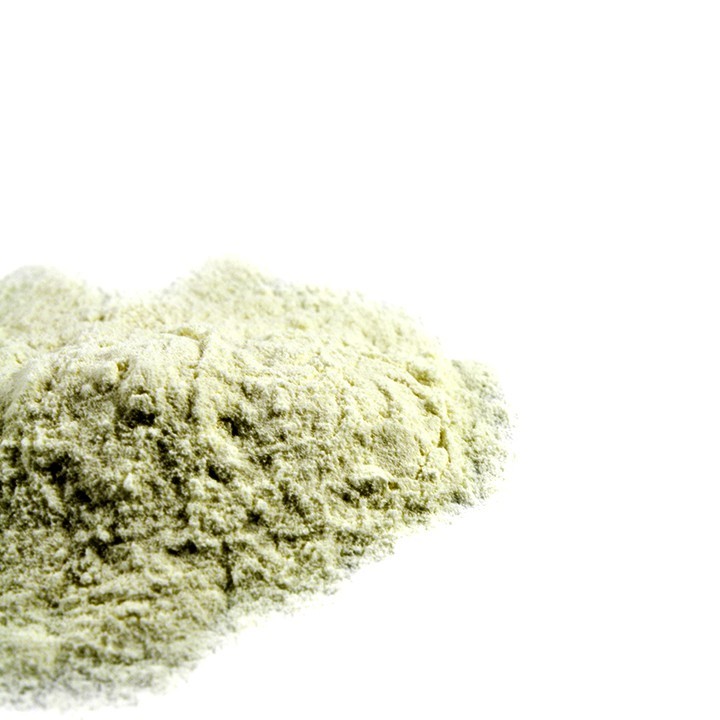

Mandrake Root
$5–$26