

Third-Party Lab Tested
Independent lab COA available on request
about this product
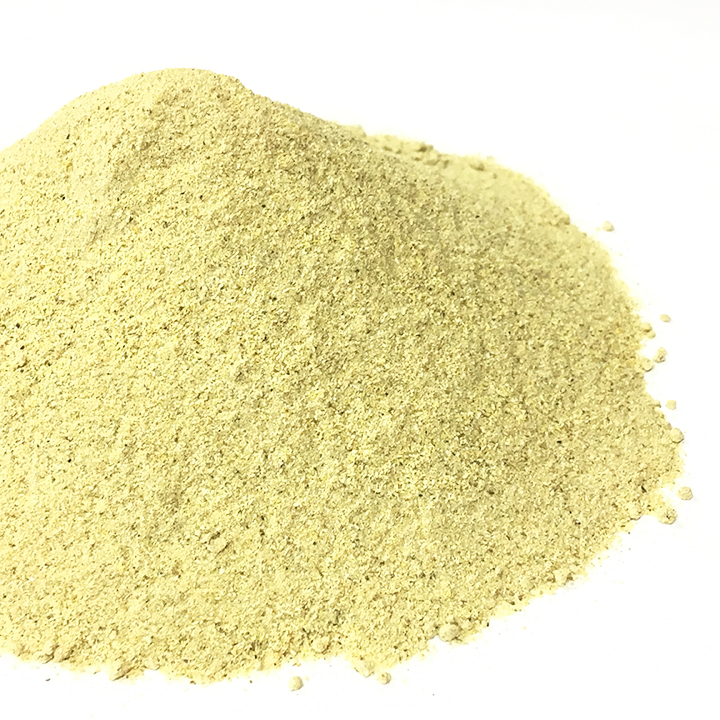
Soapwort Root Powder (Saponaria officinalis)
Ground root of Saponaria officinalis, Soapwort, the traditional European plant whose root is so rich in saponin compounds that a decoction of it lathers when shaken - producing a natural plant-based "soap" that has been used since ancient Roman times. Soapwort is still occasionally used by textile conservators for delicate antique fabrics where modern detergents are too harsh.
Key Facts
- Botanical name
- Saponaria officinalis
- Family
- Caryophyllaceae
- Common names
- Soapwort, Bouncing Bet, Wild Sweet William, Soaproot
- Native region
- Europe and Western Asia
- Active compounds
- Saponins (8-20% by dry weight of root)
- Common modern use
- Textile conservation; rarely as folk medicine
What is Soapwort?
Soapwort is a hardy perennial herb that grows wild across Europe and is now naturalized in much of North America. The plant's name comes from its remarkable saponin content - a decoction of the root literally lathers when shaken, producing a natural plant-based soap. Soapwort has been used since at least ancient Roman times for textile washing (saponaria comes from "sapo," Latin for soap). Modern textile conservators still occasionally use soapwort to clean delicate antique fabrics - modern detergents would damage them.
Important Safety Information
Soapwort is primarily for external/topical use, not internal use. The saponin content can be toxic when ingested in significant amounts and can cause GI irritation. Some traditional internal medicinal uses existed historically but are not recommended in modern herbalism. Use externally for textile washing or as a mild skin/hair cleanser.
How to Use Soapwort
Textile washing: simmer 1-2 tablespoons of powder in 1 quart of water for 20-30 minutes; strain; use the resulting "soap water" to gently wash delicate fabrics. Skin/hair cleanser: similar preparation; mild and gentle.
Frequently Asked Questions
Does Soapwort really lather?
Yes; the saponin content (8-20% of root) produces a literal lather when a decoction is shaken.
What is Soapwort used for?
Most commonly as a natural plant-based soap for delicate textiles; occasionally as a mild skin/hair cleanser.
Is Soapwort used in textile conservation?
Yes; museum textile conservators occasionally use soapwort to clean antique fabrics that would be damaged by modern detergents.
Can I drink Soapwort tea?
Not recommended; the saponin content can be toxic when ingested in significant amounts.
What are saponins?
A class of plant compounds that produce foam/lather in water; the name comes from "sapo," Latin for soap.
Why is it called "Bouncing Bet"?
An English folk name; the bouncing of clothes during washing with soapwort lather suggested the name.
This product has not been approved by the Food and Drug Administration and is not intended to diagnose, treat, cure, or prevent any disease. We recommend that you consult with a qualified healthcare practitioner before using any herbal products, particularly if you are pregnant, nursing, or on any medications.
herbs & spices
Soapwort Root Powder
size
what buyers say
Reviews
No reviews yet.
Be the first to share your experience with this one.
Write your review
also in herbs & spices
More from this section.


Soapwort Root Powder
$7–$16