Buy Prickly Ash Tincture Online
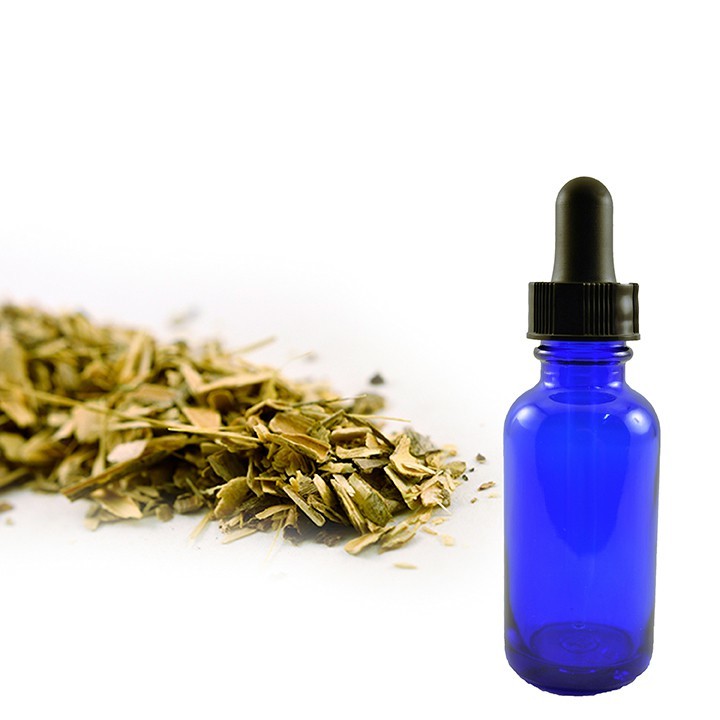
about this product
What is Prickly Ash Tincture?
Prickly Ash Tincture is a concentrated liquid extract of the bark of Zanthoxylum americanum, Northern Prickly Ash, a small thorny tree in the citrus family (Rutaceae). It is made by steeping the bark at a 1:5 ratio in a 40% alcohol base, bottled in a 1 fl oz amber dropper bottle.
About the plant
Northern Prickly Ash is native to eastern North America and is also known as the Toothache Tree and Yellowwood, folk names it earned in Native and Eclectic Western tradition. Its bark contains sanshools, the same class of tingling, mouth-numbing compounds found in Sichuan peppercorn, to which it is closely related within the genus Zanthoxylum. Other studied constituents include chelerythrine and chelirubine.
Related products
- Black Peppercorns — a different pungent spice for the mill.
Form & size
This tincture is sold as a single 1 fl oz bottle, a 1:5 extract in a 40% alcohol base. We make no health or therapeutic claims.
Storage
Keep the bottle tightly closed and away from heat and direct light. An alcohol tincture is shelf-stable and does not require refrigeration.
Prickly Ash Tincture at a glance
- Botanical name
- Zanthoxylum americanum
- Family
- Rutaceae (the citrus family)
- Also known as
- Northern Prickly Ash, Toothache Tree, Yellowwood
- Native region
- Eastern North America
- Distinctive compounds
- Sanshools (the tingling compounds also in Sichuan peppercorn)
- Form
- Alcohol extract, 1:5 in 40% alcohol
- Size
- 1 fl oz dropper bottle
Frequently asked questions
What is Prickly Ash Tincture?
Why is it called the Toothache Tree?
Do you ship Prickly Ash Tincture to my state?
Buy Prickly Ash Tincture Online
What customers say about our shop
4.8 stars across 284 Google reviewsGood herb selection; reasonable prices. Lots of loose herbs, tinctures, smudge/incense, pipes. By herbs I mean various medicinal and alchemical herbs - I bought some lemon balm, organic roses, and lemongrass as well and bundles white sage and white pine. Good source for alternative/complimentary smoking herbs as well…
Herb Stomp (Sandy) is BY FAR the best Herb and Kratom store I have ever been to. In my 2.5 years of using Kratom, I have never been to a place as helpful as this! The employees are so so helpful! Usually when buying Kratom, I’m met with grumpy head shop owners who seem to want me to either spend out of my budget, or…
Awesome, knowledgeable staff. Great selection and quality of herbs and ethnobotanicals. I also appreciate that testing is done for contaminants and potency on certain herbs. In 8 years coming here I have yet to purchase anything stale or otherwise questionable quality. We technically *could* ask for more in a local…
also in herbs & spices