
If you have searched kava near me, you are probably after one of two things: somewhere to sit down and drink a shell of kava, or somewhere to buy root you can prepare at home. Those are different errands with different answers, and the search results tend to mix them together.
This guide covers both, plus the part almost nobody explains before you have already bought something disappointing: how to tell good kava root from the rest.
The three places kava turns up
1. Kava bars
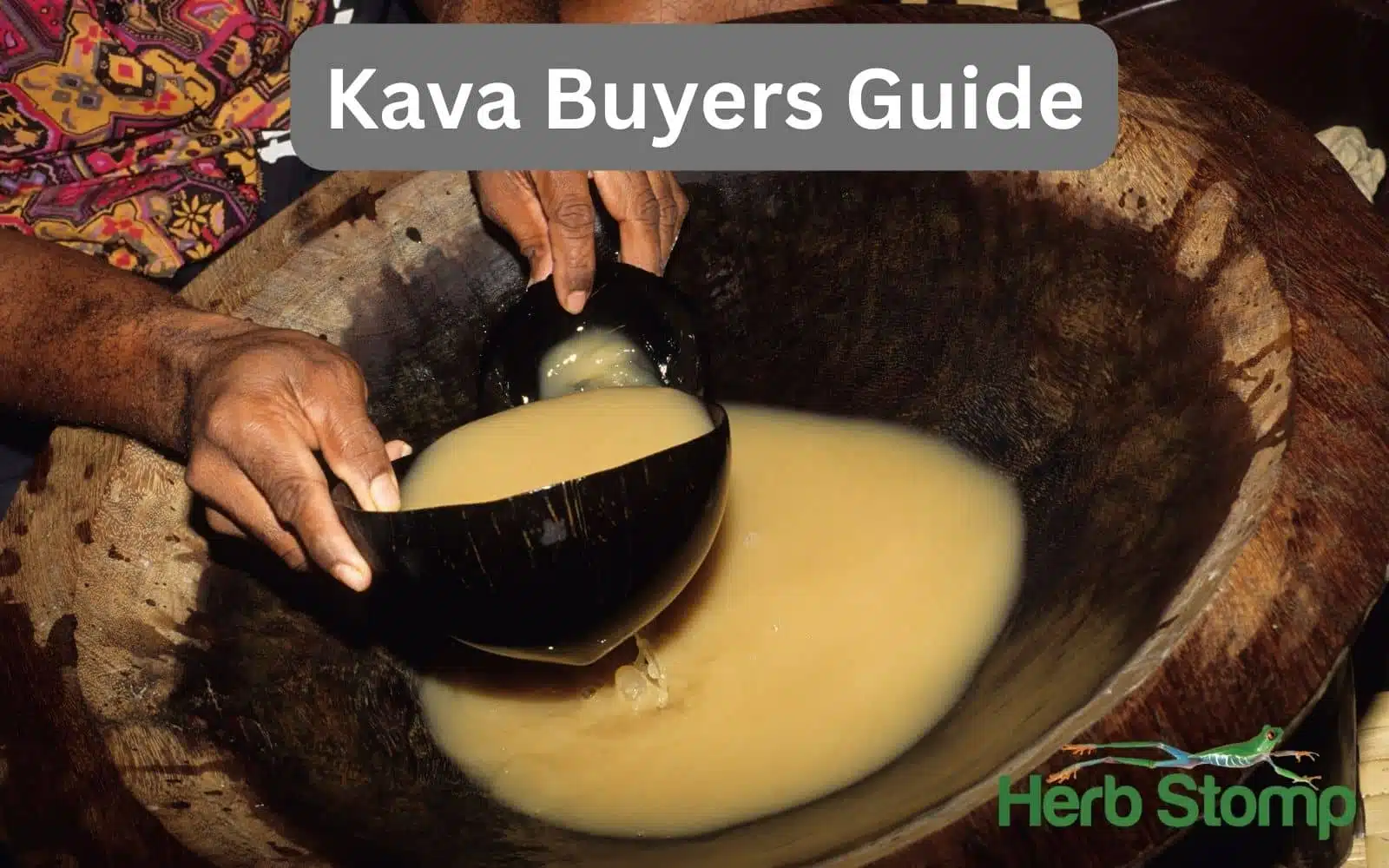
A kava bar serves prepared kava by the shell, usually alongside other botanical drinks. Florida has by far the highest concentration in the US, with clusters also in Colorado, Texas, California, and the Pacific Northwest. Most college towns of any size now have at least one.
They are social spaces rather than retail, and most sell take-home root as a sideline at a markup. If you have never been to one, our older guide on what a kava bar is covers what to expect on a first visit.
2. Herb shops and botanical retailers
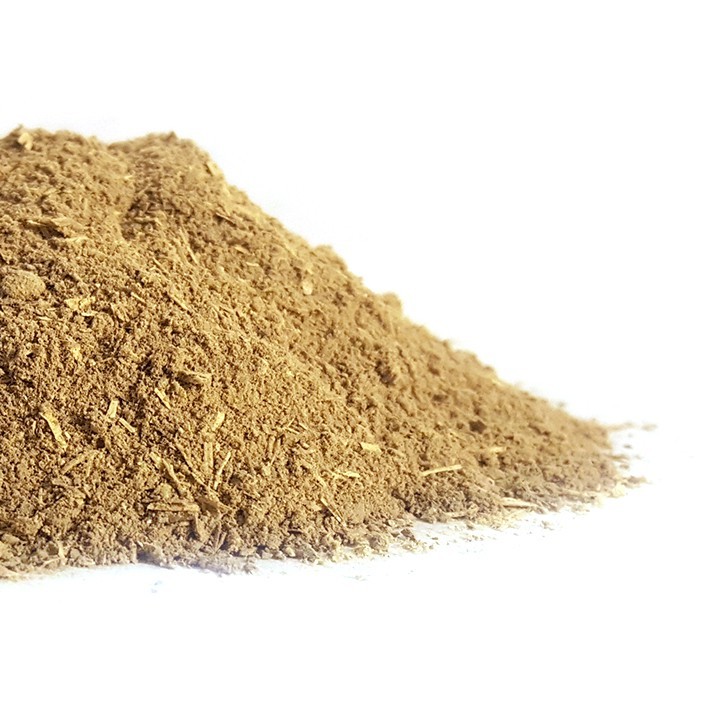
This is where the selection lives. A shop that stocks botanicals seriously will carry several cultivars from different islands, will know whether what they sell is lateral or basal root, and will let you look at the grind before you buy. That last point matters more than it sounds.
3. Smoke shops, gas stations, and convenience stores
Kava has spread into general retail, and quality there is inconsistent. The recurring problem is not fraud so much as indifference: material sold by weight with no cultivar named, no island of origin, and no indication of which part of the plant it came from. Sometimes that is fine. Often it is aerial-part material, which is the part traditional preparation deliberately leaves out.

What actually separates good kava from bad
Four things, roughly in order of how much they matter.
Noble vs. tudei
Kava cultivars are sorted into noble and tudei ("two-day") groups based on their kavalactone chemotype. Noble cultivars are the ones with centuries of traditional daily use behind them. Tudei varieties are high in dihydromethysticin and dihydrokavain, and are widely associated with next-day heaviness, headache, and nausea.
Vanuatu takes this seriously enough to legislate it: the Kava Act 2002 makes it illegal to export anything other than noble cultivars from the country.1 That is the single most useful fact for a buyer. Kava legally exported from Vanuatu is noble by law.
Our archive guide on noble and non-noble kava varieties goes deeper on the distinction.
Root vs. aerial parts
Traditional preparation uses the root. Stems, leaves, and basal peelings are not part of it, and material that includes them is cheaper to produce because it uses plant matter that would otherwise be waste. If a listing does not say "root," assume it is not exclusively root.
Lateral vs. basal root
Within the root itself, the thin lateral roots and the thick basal stump differ in kavalactone concentration, with laterals generally richer. Lateral-heavy kava costs more for that reason. We break the difference down in lateral vs. basal kava.
Origin and cultivar
Vanuatu, Fiji, Tonga, Samoa, and Hawaii all produce kava with recognisably different character. A seller who can name the island and the cultivar is telling you their supply chain is short enough to know. A seller who says only "kava" is telling you something too.
Grind, instant, and shots
The format changes what you can do with it more than most people expect.
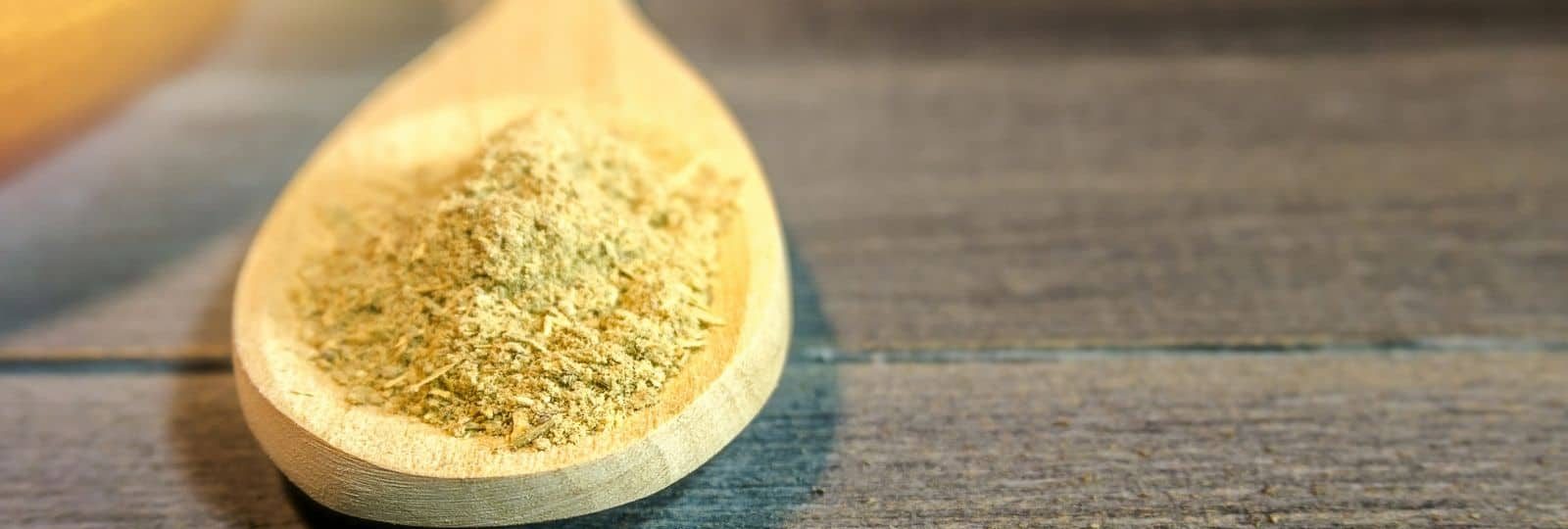
- Traditional-grind root is meant to be kneaded in water in a straining bag. It is the standard, and the cheapest per serving. Our walkthrough on how to make kava covers the process.
- Instant kava is pre-extracted and dried, so it mixes directly into water with no straining. Convenient, more expensive per serving. See what is instant kava.
- Kava shots are single-serve prepared liquid. These are what most kava bars sell to go, and what most people are actually looking for when they search "kava shots near me."
- Concentrated extracts and tinctures trade the ritual for portability.
If you are choosing between them for the first time, our kava buying guide walks through the trade-offs.
Questions worth asking, wherever you buy
- Which cultivar, and from which island? A shop that cannot answer has not asked its own supplier.
- Is it noble? Anything legally exported from Vanuatu is. Elsewhere, ask.
- Is it 100% root? And if so, lateral, basal, or a blend?
- How is it ground? Traditional grind for a strainer bag, micronised for mixing straight in. They are not interchangeable.
- How old is it? Ground kava is not indestructible. Cool, dark, and sealed is the standard, and a shop with slow turnover is a real consideration.
Visiting us in Portland
If you are in the Portland area, our shop is at 5700 NE Sandy Boulevard, Portland, OR 97213, open Monday to Friday 10am to 7pm and Saturday 12pm to 7pm Pacific. We stock Vanuatu ceremonial, Vanuatu black label, Solomon Island gold, instant, extracts, tinctures, and shots, and you are welcome to look at the grind on any of them before deciding. Call us at 1-844-882-3133 if you want to check stock before driving over.
We are a botanical shop rather than a kava bar, so we sell root to take home rather than shells to drink in.
If there is nothing near you
Most of the country does not have a kava bar or a serious botanical shop within a reasonable drive, which is why ordering online is the normal answer rather than the fallback. Kava is legal in all 50 states and we ship it everywhere, with no state restrictions to work around.
Orders placed before 3pm Pacific on a weekday ship the same day, and before 12pm on Saturday. See the full kava collection.
One safety note
The FDA issued a consumer advisory in 2002 about rare reports of severe liver injury associated with kava-containing supplements, and it has not been withdrawn.2 Cases are uncommon and the picture is complicated by product quality and concurrent alcohol or medication use, but it is a real part of the record and worth knowing about, particularly if you have existing liver concerns or take prescription medication. Talk to a clinician rather than a shop, ours included.
The short version
Kava bars are for drinking kava socially and cluster heavily in Florida and a handful of other states. Herb shops are where the selection is. General retail is a coin flip. Wherever you buy, the questions that matter are whether it is noble, whether it is 100% root, whether the roots are lateral or basal, and whether anyone can name the cultivar and island. Kava legally exported from Vanuatu is noble by statute, which makes it the easiest shortcut there is.
Browse the full kava collection, or visit us at 5700 NE Sandy Blvd in Portland, Oregon.
Sources
- Republic of Vanuatu, Kava Act No. 7 of 2002 (restricting kava export to noble cultivars). biosecurity.gov.vu
- US Food and Drug Administration, "Consumer Advisory: Kava-Containing Dietary Supplements May Be Associated With Severe Liver Injury" (2002). fda.gov
- "Kava" (Piper methysticum; kavalactones kavain, dihydrokavain, methysticin, dihydromethysticin, yangonin, desmethoxyyangonin; noble and tudei chemotypes). Wikipedia. en.wikipedia.org/wiki/Kava