The short answer: betel nut is legal to own in the United States and is not a controlled substance, but the regulatory picture around selling it changed meaningfully in 2026, and two US territories restrict it outright for minors. If you have been getting contradictory answers online, that is usually because people are answering different questions. "Can I possess it" and "can it be sold as a food product" now have different answers.
This is general information, not legal advice. Rules change, and enforcement varies.
Is betel nut a controlled substance?
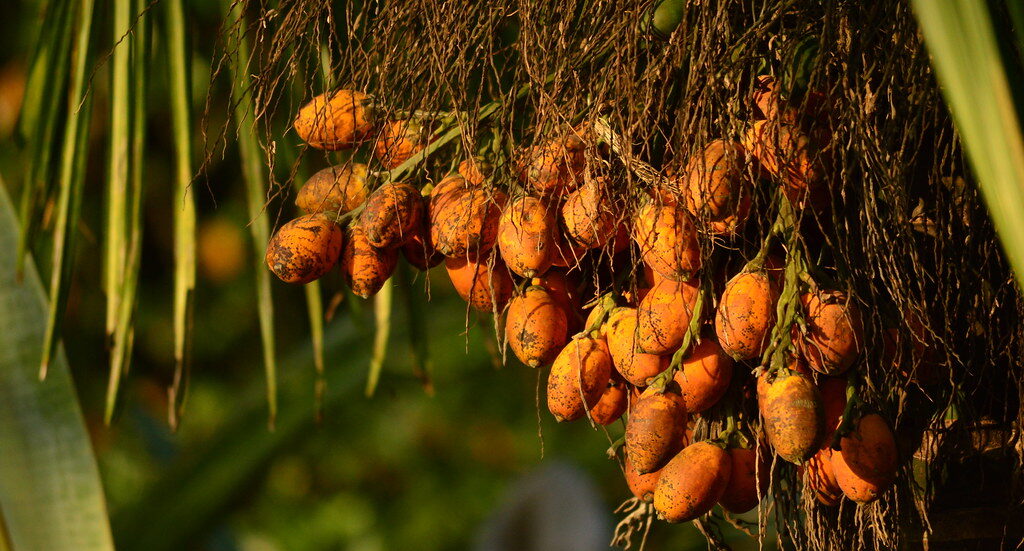
No. Areca nut (Areca catechu) is not scheduled by the Drug Enforcement Administration and does not appear on the federal Controlled Substances Act schedules. Possessing it is not a federal drug offence, and no US state has scheduled it as a controlled substance either.
This is where most "is betel nut legal" pages stop. It is also where they become misleading, because not being a controlled substance is only one of the several ways a plant material can be regulated.
The 2026 FDA import alert: the part that actually changed
On 23 March 2026, the FDA published Import Alert 23-15, titled "Detention Without Physical Examination of Food Products Including Finished Dietary Supplements and Bulk Dietary Ingredients, That Are, or That Contain, Areca (Betel) Nuts, and Foodware Made From Areca catechu Palm Leaves."1
In practice it means FDA divisions may detain shipments at the border without physically examining them. The alert covers:
- Food products that are, or contain, areca nut, including powders and extracts
- Finished dietary supplements and bulk dietary ingredients containing areca nut
- Foodware such as bowls, plates, cups, and cutlery made from A. catechu palm leaves
The stated basis is that the material appears to contain a poisonous or deleterious substance, with the agency pointing to the alkaloid arecoline and its reported cytotoxic, genotoxic, mutagenic, and carcinogenic effects, alongside the IARC finding that areca nut chewed with or without tobacco causes oral cancer.1 For the palm-leaf foodware specifically, the reasoning is that the leaf material is not generally recognised as safe for food contact and has no authorisation for that use.
What the import alert does not cover
Two exclusions matter. First, it does not apply to areca nut that contains or is packaged with tobacco, because those are regulated separately as tobacco products under a different part of the law. Second, an import alert is a border-enforcement instrument aimed at food and dietary-supplement categories. It is not a possession ban, and it does not make the plant itself illegal to own.
The practical upshot for buyers is that the framing under which areca nut is sold now carries real weight. Material offered as a food or supplement sits squarely inside the alert's scope. Material offered as a botanical specimen for cultural and ethnographic study, which is how we sell it, does not make a food or supplement claim in the first place.
Plant-health import rules
Separately from FDA, raw plant material entering the US is subject to USDA plant-health rules intended to keep agricultural pests out. That is a routine consideration for any imported seed or dried botanical and applies to areca nut as it does to many others. It affects importers rather than domestic buyers, but it is part of why supply can be uneven.
Guam and the Northern Mariana Islands
The two US jurisdictions with betel-specific statutes are also the two where chewing is culturally established.
The Commonwealth of the Northern Mariana Islands passed the Betel Nut Control Act of 2015 (Public Law 19-66), implemented through CNMI Administrative Code Title 20-10.3.2 Under it, betel nut may not be sold or furnished to anyone unless the seller has actual knowledge the buyer is at least 18. Retailers must post signage reading "BETEL NUT SALE IS PROHIBITED TO PERSONS UNDER THE AGE OF 18," first-offence fines run from $100 to $300, and parents and guardians are barred from permitting minors to possess or consume it.
Guam likewise prohibits sale to anyone under 18, as part of the same regional public-health response to oral cancer rates.
Neither is a ban. Both are age restrictions of the kind applied to tobacco and alcohol.
Is betel nut legal in my state?
No US state currently bans possession or sale of areca nut, and none schedules it. It is not on Louisiana's prohibited-plant list (La. R.S. 40:989.2), which is the statute that catches a number of other ethnobotanicals including blue lotus, kanna, and wild dagga. We ship betel nut and betel nut tincture to all 50 states.
What varies far more than legality is availability. Because of the import alert and the underlying plant-health rules, supply into the US is less predictable than for most dried botanicals, and prices move with it.
What this means when you buy
A few things worth checking, whoever you buy from:
- How is it being sold? Anything marketed as an edible, a supplement, or a "chew" is making a claim that puts it inside the import alert's scope.
- Is the risk disclosed? The IARC classification is not obscure. A seller who does not mention it is either unaware of the literature on their own product or has decided not to tell you.
- Is the origin stated? Betel nut is traded through long supply chains with wide quality variation.
- Does it contain tobacco? Packaged betel quid products sometimes do, which puts them into an entirely different regulatory category.
The health context you should have first
Legality and safety are separate questions, and on this plant they point in different directions. The International Agency for Research on Cancer classifies betel quid, with and without tobacco, as carcinogenic to humans (Group 1), its highest-certainty category, based on sufficient evidence of increased oral cancer risk.3 Long-term chewing is also linked to oral submucous fibrosis.
Betel nut being lawful to own does not make chewing it safe, and we do not recommend it. We stock areca nut as a specimen for people studying its very long cultural history. For that background, see What Is Betel Nut?, which covers the plant, the naming confusion with betel leaf, and the traditions built around it.
The short version
Betel nut is not a controlled substance anywhere in the United States, and no state bans it. Since March 2026 the FDA has detained imported areca nut sold as food, dietary supplements, or bulk dietary ingredients under Import Alert 23-15, and palm-leaf foodware alongside it. Guam and the CNMI restrict sales to adults 18 and over. Products combined with tobacco are regulated as tobacco products instead. And separately from all of that, the WHO's cancer agency classifies the traditional chewing use as a Group 1 carcinogen.
Browse betel nut, the tincture, or the full ethnobotanicals collection. Orders ship within 24 hours from Portland, Oregon.
Sources
- FDA Import Alert 23-15, "Detention Without Physical Examination of Food Products Including Finished Dietary Supplements and Bulk Dietary Ingredients, That Are, or That Contain, Areca (Betel) Nuts, and Foodware Made From Areca catechu Palm Leaves," published 2026-03-23. accessdata.fda.gov
- CNMI Administrative Code Title 20-10.3, Betel Nut Control Rules and Regulations, implementing the Betel Nut Control Act of 2015 (PL 19-66). cnmilaw.org
- IARC Monographs on the Evaluation of Carcinogenic Risks to Humans, Volume 100E: "Betel Quid and Areca Nut" (2012). ncbi.nlm.nih.gov/books/NBK304393
- Louisiana Revised Statutes 40:989.2 (prohibited plant products). Areca nut does not appear on the list. codes.findlaw.com