Kava's main effect is a calm, relaxed feeling, often with a numb tongue and loose muscles, while your head stays fairly clear. For most healthy adults who drink traditional water-prepared noble root in moderation it has a long track record, but it is not risk-free: the FDA warned in 2002 about rare severe liver injury, kava should never be mixed with alcohol or sedatives, and heavy long-term use causes a scaly skin condition called kava dermopathy.1, 2
Here is the longer version, written for the questions customers actually ask us at the counter.
What are kava's effects?
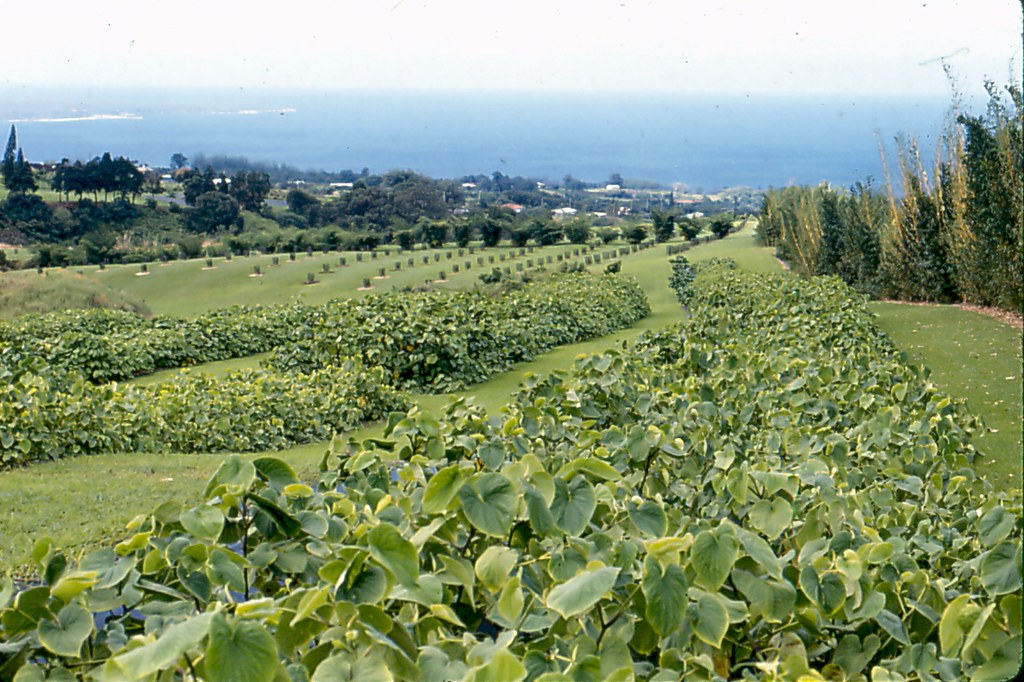
Kava is the root of Piper methysticum, a plant in the pepper family that Pacific Islanders have used for ceremony and medicine for thousands of years.1 A dermatology review in 1994 described the traditional drink as a non-fermented depressant that "causes a tranquil state of intoxication."10 That is close to how regular drinkers describe it: a settled body, an easier mood, and a sociable, unhurried feeling.
The first thing most people notice is physical. The drink numbs and tingles the lips and tongue within a sip or two. Our guide on how to make kava covers why that happens and what the drink tastes like.
Kava also affects coordination. Memorial Sloan Kettering lists impaired reflexes and judgment as side effects and warns that kava "may impair your ability to drive or operate heavy machinery."9 Treat a strong shell the way you would treat a drink: no driving after.
Kava drink effects vs. extracts and other forms
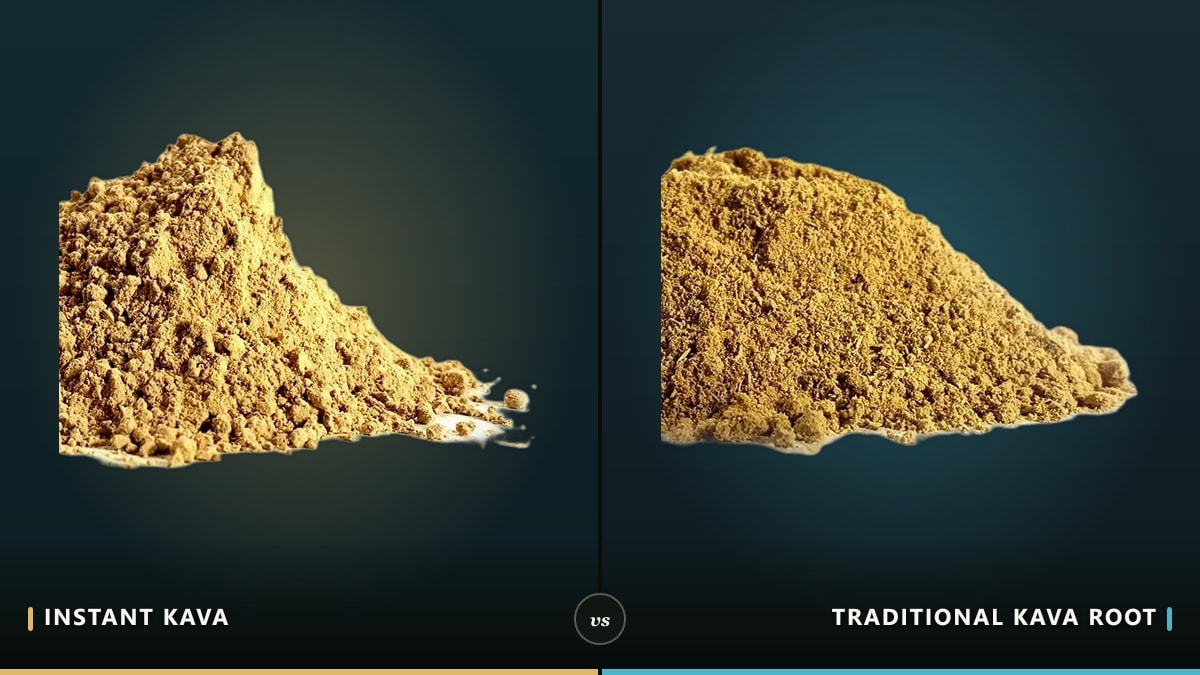
Kava is sold in several forms, and they are not interchangeable. The table is our shop-floor summary of how they differ, not a dosing guide.
| Form | What it is | What to know |
|---|---|---|
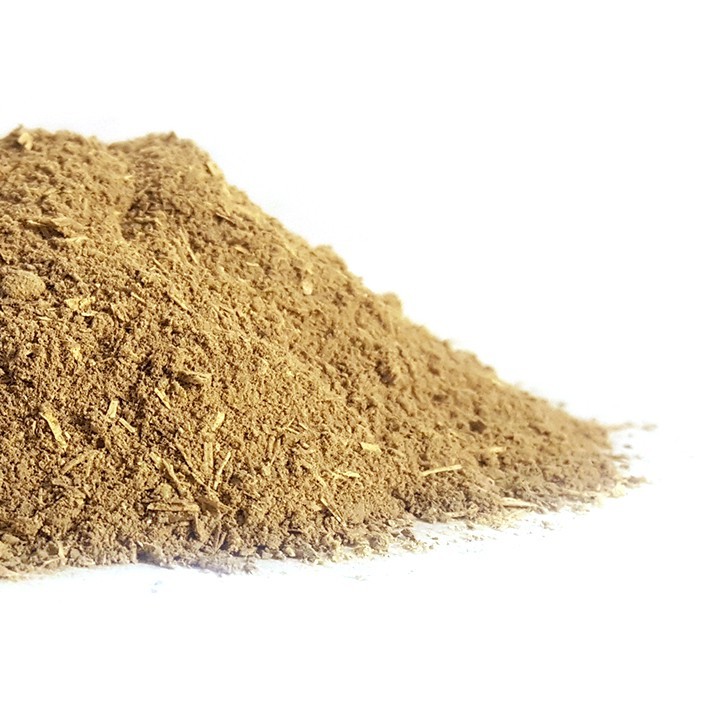
| Ground root | Dried root, kneaded or shaken in cool water and strained | The traditional drink. Strength depends on the cultivar and how much you use. |
| Instant kava | A water extract of root, dried to a powder | Dissolves without straining. Still a water-based preparation. |
| Concentrated extracts | Extracts standardized to a percentage of kavalactones | Much stronger per gram. Easy to take more than you meant to. |
| Ready-to-drink | Canned or bottled kava drinks | Convenient. Check the label for kavalactone content. |
The difference between water-based and concentrated forms comes up again below, because it is central to the liver question.
Kava benefits: what the anxiety research shows
Kava has more human research behind it than most herbs, nearly all of it on anxiety. The results are mixed, and the details matter.
- The 2003 Cochrane review. Pooling six trials with 345 people, researchers found kava extract lowered scores on a standard anxiety scale more than placebo did. Side effects in the trials were "mild, transient and infrequent."3
- A 2013 randomized trial. 75 people with generalized anxiety disorder were enrolled in a six-week trial of a water extract of kava (120 to 240 mg of kavalactones a day) or placebo. In the 58 people analyzed, kava reduced anxiety more than placebo, and 26% of the kava group reached remission compared with 6% on placebo.4
- A larger 2020 trial. 171 people with generalized anxiety disorder took a water extract (240 mg of kavalactones a day) or placebo for 16 weeks. This time kava did no better than placebo. The kava group also reported more memory problems and tremor, and had more abnormal liver test results, though no one met the criteria for liver injury.5
The authors of the 2020 trial concluded kava may be better suited to short-term, situational anxiety than to a diagnosed anxiety disorder.5 NCCIH reaches a similar view: kava may help anxiety but may need several weeks, and it does not appear to help generalized anxiety disorder.1 Kava is not a treatment for any condition, and it should not stand in for care you already get.
Is kava safe? The liver question
This is the question behind "is kava bad for you," so here is the history plainly.
The 2002 FDA advisory. On March 25, 2002, the FDA warned consumers about "the potential risk of severe liver injury associated with the use of kava-containing dietary supplements." It noted that regulators in Germany, Switzerland, France, Canada and the United Kingdom had taken action ranging from warnings to pulling products. The FDA also wrote that "liver damage appears to be rare," and advised that people with liver disease, or who take drugs that affect the liver, talk to a doctor before using kava.2
What researchers looked at next. Kava had a long record of traditional use without that kind of problem, so investigators asked what was different about the products tied to the cases. A 2011 paper by Teschke, Sarris and Lebot argued the injuries "appear to be caused by inappropriate quality of the kava raw material."6 Another 2011 paper suggested the cause may be partly plant substitution, the wrong cultivar, or the wrong plant parts.8 A separate review stressed that no single culprit has been proven, and called for testing kava for mold toxins that can damage the liver.7
The recommendation that came out of it. Teschke and colleagues proposed a quality standard built on what traditional drinkers use: a noble cultivar, at least five years old at harvest, using peeled roots and rhizomes, prepared as a water-based extract, at no more than 250 mg of kavalactones a day for medicinal use.6 They noted that noble varieties, as defined in Vanuatu's 2002 Kava Act, "are well tolerated traditional cultivars with a good safety record."6 Non-noble cultivars are a different product; our kava buying guide explains how to tell them apart, and our older post on noble and non-noble kava goes deeper.
Where that leaves you. Noble root and water preparation lower the risk the research points to, but they do not erase it. The 2020 trial used a water extract and still saw more abnormal liver tests in the kava group.5 NCCIH still lists alcohol use, adulterated products, genetics, and large or long-term use as possible factors, and says some cases have been "serious or even fatal."1 Know the warning signs the FDA lists: yellow skin or eyes, brown urine, nausea, light-colored stools, unusual tiredness, and stomach pain.2
Is kava addictive?
The research so far says no, though it is limited. Memorial Sloan Kettering notes that a short-term clinical study found "no differences in withdrawal or addiction versus placebo."9 That is not the same as saying heavy daily use is harmless. The skin, liver and coordination effects above are all tied to how much and how often people drink.
Kava dermopathy
Kava dermopathy is a dry, scaly, flaking skin condition seen in heavy, long-term kava drinkers. Members of Captain Cook's Pacific expeditions were the first to describe it, and a 1994 review in the Journal of the American Academy of Dermatology described it as reversible.10 NCCIH adds that it can come with reddened eyes and a temporary yellowing of the skin, hair and nails.1 The fix is cutting back. If your skin starts to flake, take that as a sign you are drinking too much.
Kava with alcohol or medication
Do not mix kava and alcohol. NCCIH says kava should not be used with other sedating substances such as alcohol or benzodiazepines,1 and Memorial Sloan Kettering says the same.9 Alcohol is also on NCCIH's list of possible factors in kava liver injury.1
Memorial Sloan Kettering also flags:9
- Benzodiazepines, barbiturates and other sedatives, which kava may add to.
- Drugs processed by the liver enzymes CYP1A2 and CYP2E1, whose effects and side effects kava may increase.
- Acetaminophen (Tylenol). In lab studies, kava increased acetaminophen's liver toxicity.
- Anesthesia. Stop kava before surgery.
If you take any prescription medicine, ask your pharmacist before trying kava.1
Who should not drink kava
- Anyone with liver disease or liver problems, or who takes drugs that can affect the liver.2
- Anyone with kidney problems.9
- People who are pregnant or breastfeeding. NCCIH says kava may carry special risks then.1
- Anyone who will drink alcohol, take sedatives, or drive.1, 9
- Anyone with surgery coming up.9
What we carry
Most of what we sell is ground root, like our Vanuatu Ceremonial Kava and kava root, along with instant kava (a dried water extract). We also stock 30% and 70% extracts for people who know what they want, the AluBall shaker for quick root prep, and Ceremonial Kava Seltzer if you would rather open a can.
Sources
- National Center for Complementary and Integrative Health. "Kava." nccih.nih.gov
- US Food and Drug Administration, CFSAN. "Consumer Advisory: Kava-Containing Dietary Supplements May Be Associated With Severe Liver Injury." March 25, 2002 (archived copy). webarchive.library.unt.edu
- Pittler MH, Ernst E. "Kava extract for treating anxiety." Cochrane Database of Systematic Reviews, 2003. PubMed 12535473
- Sarris J, Stough C, Bousman CA, et al. "Kava in the treatment of generalized anxiety disorder: a double-blind, randomized, placebo-controlled study." Journal of Clinical Psychopharmacology, 2013. PubMed 23635869
- Sarris J, Byrne GJ, Bousman CA, et al. "Kava for generalised anxiety disorder: A 16-week double-blind, randomised, placebo-controlled study." Australian and New Zealand Journal of Psychiatry, 2020. PubMed 31813230
- Teschke R, Sarris J, Lebot V. "Kava hepatotoxicity solution: A six-point plan for new kava standardization." Phytomedicine, 2011. PubMed 21112196
- Teschke R, Qiu SX, Xuan TD, Lebot V. "Kava and kava hepatotoxicity: requirements for novel experimental, ethnobotanical and clinical studies based on a review of the evidence." Phytotherapy Research, 2011. PubMed 21442674
- Sarris J, Teschke R, Stough C, et al. "Re-introduction of kava (Piper methysticum) to the EU: is there a way forward?" Planta Medica, 2011. PubMed 20814850
- Memorial Sloan Kettering Cancer Center, About Herbs. "Kava." mskcc.org
- Norton SA, Ruze P. "Kava dermopathy." Journal of the American Academy of Dermatology, 1994. PubMed 8021378
Header photo: "Piper methysticum (kava, 'awa)" by Plant pests and diseases, released under CC0 1.0 (public domain). Source.